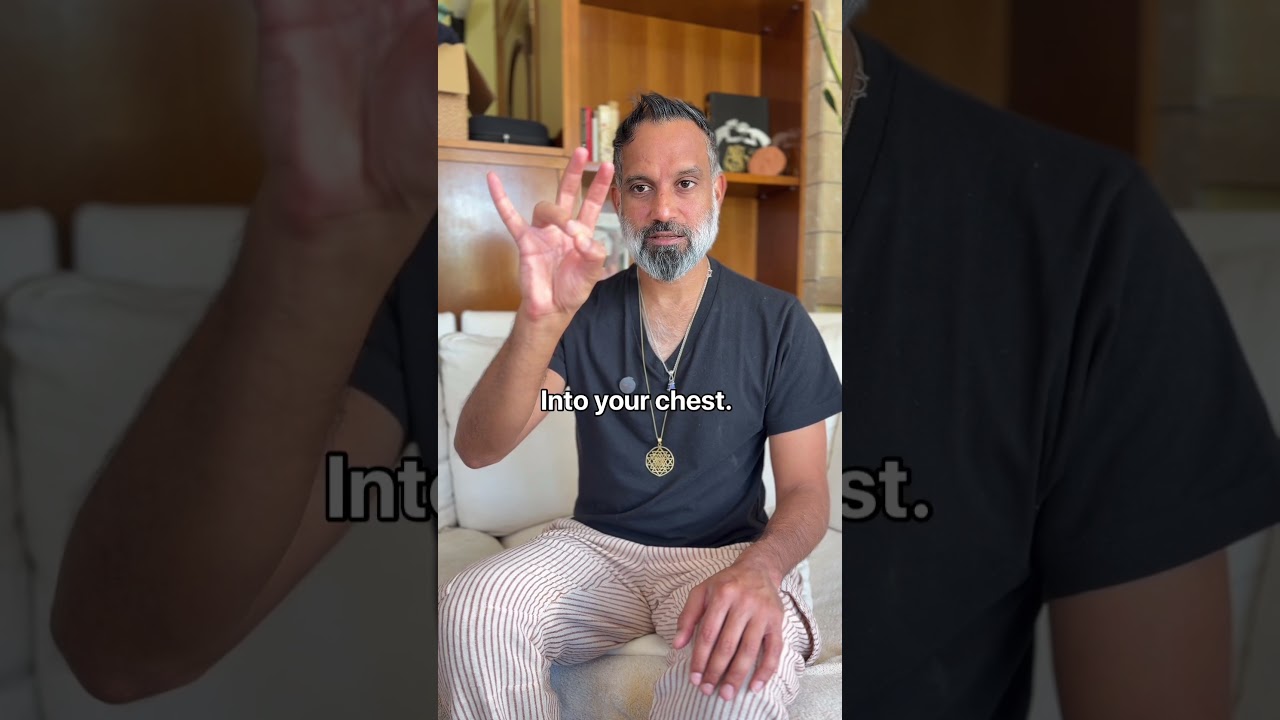
This guided breathwork meditation uses the SOMA Breath Awakening technique—a combination of rhythmic breathing patterns, auditory toning, pelvic floor contractions, and visualization—to guide the mind into gamma brainwave frequency. The protocol targets the endocrine system (creative/sexual glands, heart/thymus, and pineal/pituitary) to access heightened inspiration, accelerated learning, and direct connection to what practitioners call the "higher self." The practice takes 30 minutes, requires an empty stomach and undisturbed space, and is designed for daily use to sustain elevated mental states and creative clarity.
What Are Gamma Brainwaves and Why Do They Matter?
Gamma brainwave frequency represents the highest frequency range of brain activity, associated with peak cognitive performance, accelerated learning, and states of heightened inspiration and hyper-focus. Most people spend limited time in gamma states naturally; this meditation is designed specifically to shift consciousness into that frequency band deliberately.
The premise behind this practice is that when you operate from gamma frequency consciousness, you access your "highest frequency of thought"—a state where creative breakthroughs feel more accessible, where mood elevation is more sustainable, and where you can "think from the highest frequency of thought you believe" (as the instructor puts it). This is particularly useful for people experiencing low mood or creative blocks who want to realign with what the practice calls their "higher power" or "higher self."
How Does the SOMA Breath Awakening Technique Work?
The meditation unfolds in distinct phases, each building on the previous one. Understanding the structure helps you follow the guidance more effectively.
Phase 1: Rhythmic Breathing Foundation
The session begins with rhythmic breathing synchronized to the music. You breathe in through both nostrils into your belly, then exhale through your mouth—both in a smooth, connected, continuous pattern with no pause between inhale and exhale. The music provides the tempo and cues. This rhythmic pattern creates a foundation of coherence in your nervous system.
Phase 2: Toning with Glandular Awareness
After several minutes of rhythm, you're guided to take a deep inhalation and make a vocal tone—specifically, three distinct tones (ah, ooh, and mmm) that are directed toward different endocrine glands:
Ah tone: Directed to the creative glands (the sex gland/sacral organs and digestive gland), visualizing light moving through these centers
Ooh tone: Directed to the heart and thymus gland, sustaining organs and emotional centers
Mmm tone: Directed to the third eye (pineal gland) and pituitary gland, the master endocrine regulators
As you make these tones, you visualize light radiating through your body, moving upward through each endocrine center like an energy circuit. The combination of breath, vocalization, and visualization is intended to activate the endocrine system—"the hormonal system which allows you to experience and have a sense of life itself." This phase typically lasts several minutes, moving cyclically through the three tones.
Phase 3: Breath Retention with Pelvic Floor Engagement
At a specific point, you're instructed to take a deep inhalation, then exhale fully and hold your breath with your head dropped forward, making a subtle hissing sound. When you feel the first urge to breathe, you count down from ten to one mentally, which naturally extends the breath-hold and creates what the instructor describes as a "rush sensation of energy moving up through your spine." This is the physiological effect of CO₂ buildup and oxygen recalibration—your nervous system becomes acutely aware of subtle sensations.
When you can no longer hold the breath, you take a deep inhalation and add a pelvic floor contraction (mula bandha): you squeeze the muscles around your sphincter, drawing upward, while visualizing light being "sent up like a spark of lights up and up and up" into your third eye and toward the universe. This energetic metaphor corresponds to a neurophysiological reality—pelvic floor contractions create a somatic sense of upward-moving energy and integrate the lower and upper energy centers.
Phase 4: Cycling and Integration
These phases repeat cyclically—rhythm, toning, retention, contraction—allowing you to deepen into the meditative state and accumulate the neurological effects of each technique.
Why Breathwork Activates the Endocrine System?
Breath is the bridge between the autonomic and central nervous systems. By controlling breath—rhythm, depth, and pause—you directly influence hormonal release. The endocrine glands targeted in this practice (pineal, pituitary, thymus, adrenals, sexual organs) regulate mood, creativity, immune function, and stress response.
The visualization component—imagining light moving through these glands—is not merely symbolic. Research in neuroscience has shown that vivid visualization activates similar brain regions as actual sensory experience. When you simultaneously breathe rhythmically, tone vocally, and visualize light moving through your endocrine centers, you're creating a coherent signal to your nervous system that these glands are awake and active.
The pineal gland, often called the "third eye" in meditative traditions, produces melatonin and is sensitive to light and electromagnetic frequencies. The pituitary gland is your master endocrine regulator, controlling hormone release across your entire system. By directing attention and breath toward these structures, you're essentially upregulating their functional capacity.
What Is the Hypno-Fractal Visualization?
This meditation incorporates what the instructor calls "hypno-fractal technology"—a visual element (typically a moving bubble or geometric pattern) that expands and contracts in sync with the breath. This serves two purposes: it gives your eyes a focal point if you keep them slightly open, and it provides precise timing feedback for your breathing pattern. Some people find that tracking the hypno-fractal intensifies the meditative effect; others prefer eyes closed. The instruction is to experiment and notice what deepens your experience.
Practical Guidance: How to Set Up Your Practice
Preparation and Safety
The meditation should be done in a comfortable, quiet space where you won't be disturbed for 30 minutes. It requires an empty stomach—practicing after a full meal can create discomfort as your body is directing energy to both digestion and the breathing practice. Do not practice while driving, operating machinery, in water, or in any situation where a temporary altered state could be unsafe.
Positioning
You can either sit upright in a comfortable position or lie on your back. The upright position often facilitates better energy circulation; lying down is acceptable if you're more comfortable reclined.
Breathing Notes
Breathe in through your nostrils and out through your mouth. Nasal breathing maintains a circuit of breath and supports healthier breathing habits. While the instructor mentions that advanced practitioners can occasionally use mouth breathing to intensify the experience, nose-in, mouth-out is the default and recommended path, especially for beginners.
Physical Sensations to Expect
As you breathe rhythmically and move into breath retention, you may experience tingling in your fingers and hands, or mild cramping. This is normal and harmless—it's caused by shifts in blood chemistry and oxygen/CO₂ balance. Simply breathe through these sensations; they typically resolve on their own during the breath-hold phases. No harm comes from this, and it's a sign that your body is responding to the practice.
Advanced Technique: Mula Bandha
For those already familiar with breathwork, you can add pelvic floor engagement (mula bandha) with every inhalation, not just during the retention phases. With each inhale, gently squeeze and lift the muscles around your sphincter, drawing them upward as if pulling energy up your spine. Release on the exhale. This "pumps" lifeforce energy (prana) upward through your body and is said to amplify the effects significantly.
Frequency and Integration
The instructor recommends using this as a "daily dose" to maintain elevated energy and inspiration. You can practice once or twice per day, but don't overdo it. The cumulative effect of consistent, moderate practice tends to yield better results than sporadic intensive sessions. Over time, daily practice can retrain your baseline brainwave frequency, meaning you spend more time in higher-frequency states even outside of formal meditation.
Where to Go From Here
If this 30-minute guided session resonates with you, the next steps depend on your goals. To deepen your understanding of the technique itself, explore the SOMA Breath YouTube channel's other resources, including the full tutorial on how to do SOMA Awakening Breathwork and the meditation masterclass. If you want to learn these techniques well enough to teach them to others or to integrate them into a personal practice more deeply, the instructor offers a free masterclass (link in the video description). For those interested in the broader philosophy and neuroscience behind breathwork and consciousness, reading about the role of the vagus nerve, endocrine function, and brainwave frequencies will provide theoretical grounding for what you're experiencing directly in the practice. The key is consistency: a 30-minute daily commitment, over weeks and months, produces measurable shifts in mood, creativity, and mental clarity.
Niraj Naik is a pharmacist-turned-breathwork expert who created SOMA Breath, a system combining ancient Yogic pranayama with modern science. He facilitates breathwork ceremonies an…
Gamma brainwaves are activated through rhythmic breathing patterns combined with toning and visualization. In this practice, you breathe in a steady rhythm synchronized to music, vocalize tones directed toward specific endocrine glands while visualizing light moving through them, and use breath retention and pelvic floor contractions to create a "rush sensation" that signals your nervous system to shift into higher-frequency states. The combination of these techniques—rhythm, tone, visualization, and breath control—naturally pulls your brainwave activity into the gamma frequency range.
Meeting your higher self refers to accessing a state of consciousness where you're thinking from your highest frequency and clearest perspective—free from low mood, reactivity, or creative blocks. By shifting into gamma brainwave states and directing energy toward your pineal and pituitary glands (associated with intuition and clarity), you align with what the practice calls your "higher power"—an aspect of consciousness that has access to inspiration, guidance, and solutions beyond your ordinary thinking mind.
Yes, tingling and mild cramping in fingers and hands are completely normal and harmless responses to rhythmic breathing and breath retention. These sensations result from shifts in oxygen and CO₂ levels in your blood, which temporarily alters nerve signaling. The tingling typically resolves on its own during breath-hold phases. You can safely breathe through these sensations—they are not a sign of danger, but rather a sign that your body is responding to the practice.
The practice is designed for daily use as a "daily dose" to maintain elevated energy and inspiration. You can do it once or twice per day, but should not overdo it. Consistent, moderate daily practice produces better cumulative results than sporadic intense sessions. Over time, regular practice retrains your baseline brainwave frequency, so you spend more time in higher-frequency states even outside of formal meditation.
Yes, you can practice either sitting upright in a comfortable position or lying on your back. The upright position often facilitates better energy circulation, but lying down is acceptable if that's more comfortable for you. Either way, practice in a quiet, undisturbed space on an empty stomach to avoid discomfort.
Mula bandha is the contraction and lifting of the pelvic floor muscles (around your sphincter). In this practice, it's used during breath retention and in advanced variations with every inhalation. The contraction creates a pump effect that moves energy (prana) upward through your spine toward your third eye and higher centers. It's an advanced technique that can significantly amplify the effects of the breathwork, so it's optional but recommended for those already familiar with energetic practices.
Breathing in through your nostrils and out through your mouth maintains a circuit of breath flow and supports healthier long-term breathing habits. Nasal breathing filters and warms the air, activates the parasympathetic nervous system, and is more sustainable for daily practice. While the instructor mentions advanced practitioners can occasionally use mouth breathing to intensify the experience, nose-in, mouth-out is the recommended default pattern.