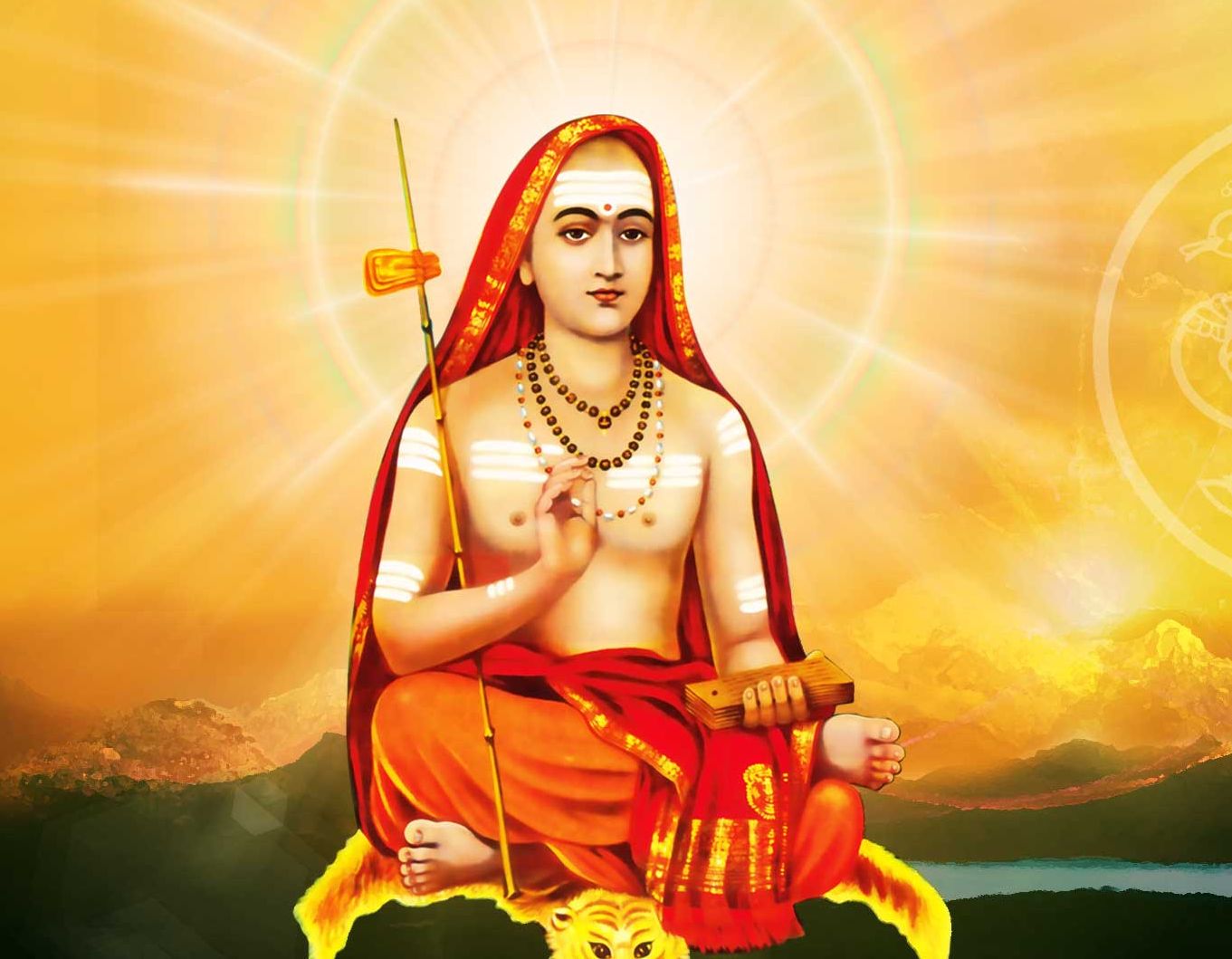
The Bliss of the Self: A Journey Within
Adi Shankara's assertion that "There is no greater pleasure than the bliss of the Self" invites us to explore the profound depths of our own existence. In a world often preoccupied with external pleasures and transient joys, this statement serves as a reminder of the enduring happiness that arises from self-realization. The stakes are high; understanding this bliss can transform our approach to life, shifting our focus from fleeting satisfaction to a deeper, more abiding joy rooted in our true nature.
To delve into this quote is to embark on a journey that transcends mere intellectual understanding. It beckons us to experience the bliss of the Self, a state of being that is not contingent upon external circumstances but is instead an intrinsic aspect of our existence. This exploration is not just philosophical; it is a call to awaken to the reality of who we are, beyond the layers of identity and desire that often cloud our perception. In this light, Shankara's words resonate as an invitation to seek the ultimate pleasure that lies within.
The image / the metaphor
The phrase "the bliss of the Self" conjures a vivid image of an inner sanctuary, a place of profound peace and joy that is untouched by the chaos of the external world. The use of the word "bliss" suggests a state of ecstasy that transcends ordinary happiness, hinting at a deep, abiding contentment that arises from a connection to our true essence. The term "Self" here is not merely a reference to the individual ego but points to the universal consciousness that binds all beings, inviting us to recognize our shared existence.
In the speaker's tradition
Adi Shankara, a pivotal figure in the Advaita Vedanta tradition, emphasizes the non-dual nature of reality, where the individual self (Atman) is ultimately one with the universal Self (Brahman). This teaching aligns with the concept of *moksha*, or liberation, which is achieved through the realization of this unity. In this context, the bliss of the Self is not merely a pleasurable experience but the culmination of a spiritual journey that involves the dissolution of the ego and the recognition of our interconnectedness with all existence.
In the *Vivekachudamani*, Shankara elaborates on the nature of the Self, describing it as eternal, unchanging, and beyond the limitations of the physical body. This text serves as a guide for seekers, offering insights into the nature of reality and the path to self-realization. The teachings of *prajna*, or wisdom, play a crucial role here, as they illuminate the way to discern the true Self from the illusions of the material world. Thus, the bliss of the Self is both a destination and a journey, one that requires deep introspection and understanding.
Living the teaching
Consider a modern scenario where an individual finds themselves caught in the relentless pursuit of external validation—be it through career achievements, social media accolades, or material possessions. In such a context, the teaching of Shankara serves as a poignant reminder that true fulfillment cannot be found in these fleeting pursuits. Instead, it invites the individual to pause, reflect, and turn inward, seeking the deeper joy that arises from self-acceptance and inner peace. This shift in perspective can lead to a more authentic and satisfying life, grounded in the bliss of the Self.
In relationships, the teaching can manifest as a profound opportunity for connection. When we approach our interactions with the understanding that our true essence is rooted in the bliss of the Self, we can cultivate deeper empathy and compassion. For instance, during a conflict with a loved one, rather than reacting from a place of ego or hurt, we can choose to respond with awareness, recognizing that beneath the surface, both parties share the same fundamental essence. This approach not only fosters healing but also enriches the relationship, allowing both individuals to experience the joy that comes from mutual understanding and love.
A reflection
As we contemplate Shankara's assertion, we are invited to reflect on our own lives: What does it mean for us to experience the bliss of the Self? Are we seeking happiness in transient pleasures, or are we willing to embark on the inner journey that leads to lasting joy? In this moment of reflection, let us consider: How can we cultivate a deeper awareness of our true nature and allow that awareness to guide our actions and relationships? This question serves as a compass, directing us toward the profound bliss that lies within.





Join the BrightStar Community
Stay connected with daily inspiration, event announcements, and community wisdom