Seeing the Self in All: A Journey into Unity
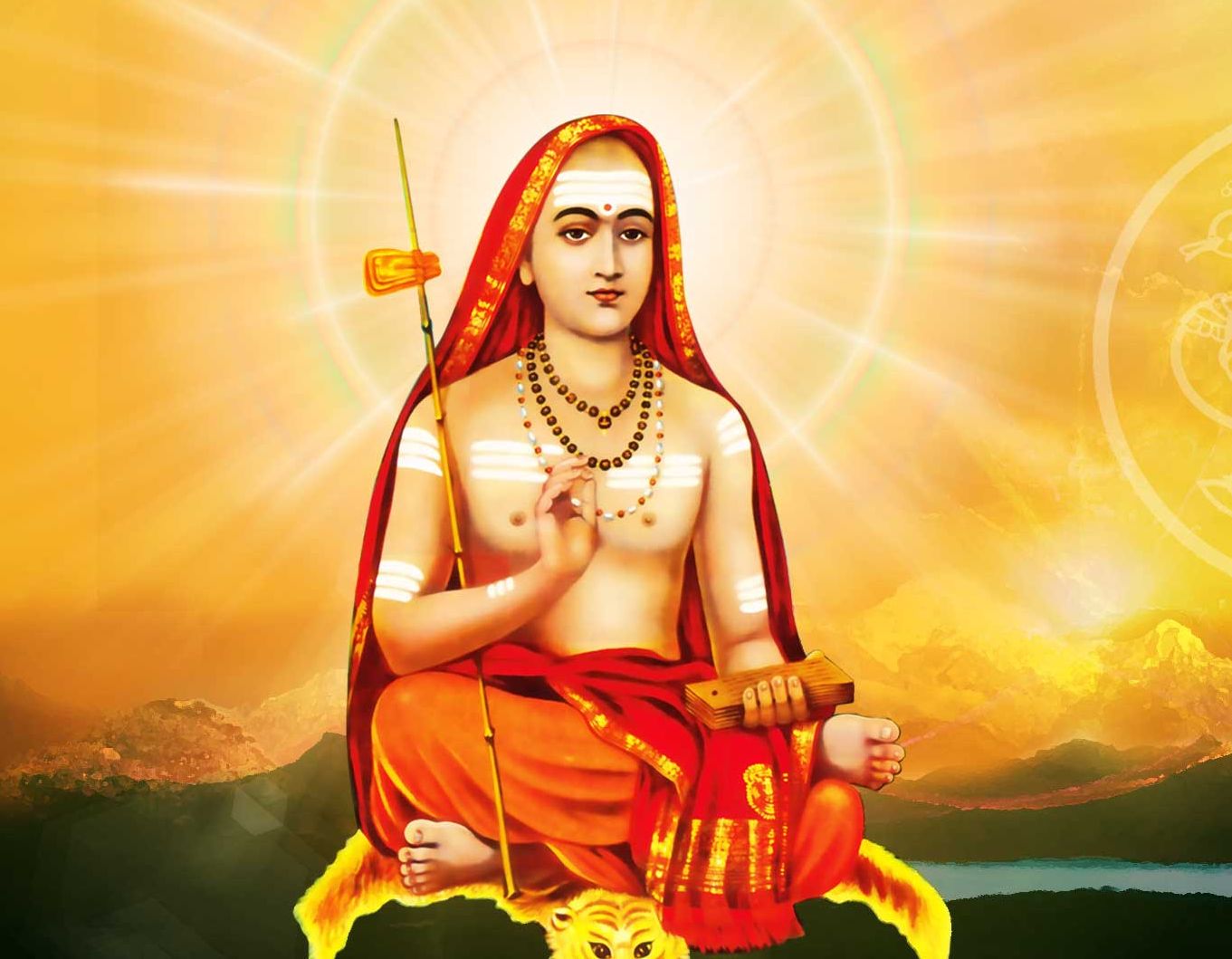
In the profound words of Adi Shankara, "The wise man, having attained the Self, sees the same Self in all beings." This statement encapsulates a transformative realization that transcends individual identity, urging us to recognize the interconnectedness of all existence. It matters deeply because it invites us to dissolve the boundaries that separate us, fostering compassion and understanding in a world often marked by division and strife.
To attain the Self, as Shankara suggests, is not merely an intellectual exercise but a profound spiritual awakening. This awakening leads to a vision where the distinctions between self and other blur, revealing a shared essence that binds all beings. Such a perspective is not only liberating but also essential for cultivating a harmonious existence, as it encourages us to act with empathy and love towards others, recognizing that in doing so, we are ultimately nurturing our own being.
The image / the metaphor
The imagery in Shankara's quote evokes a deep sense of unity and interconnectedness. The "wise man" signifies an individual who has transcended the limitations of ego and personal identity, achieving a state of enlightenment where the Self is fully realized. The choice of the word "sees" suggests an active engagement with the world, implying that this vision is not passive but requires a conscious effort to perceive the underlying unity in diversity.
Diving deeper into the metaphor, we can understand that the "Self" referred to here is not merely the individual self but the universal consciousness that permeates all beings. This perspective aligns with the Vedantic view of Brahman, the ultimate reality, which is both immanent and transcendent. The wise man's ability to see the same Self in all beings reflects a profound shift in perception, where the separateness of individuals dissolves into a collective existence, inviting us to embrace a more expansive understanding of life.
In the speaker's tradition
Adi Shankara's teachings are rooted in the Vedantic tradition, which emphasizes the realization of the Self as the ultimate goal of human existence. Concepts such as dharma, the moral order, and prajna, or wisdom, play crucial roles in this journey towards self-realization. The idea of kenosis, or self-emptying, resonates here, as the wise man must relinquish the ego to truly perceive the unity of all beings. This teaching is not merely philosophical; it is a call to embody the principles of compassion and understanding in our daily lives.
In the Vivekachudamani, Shankara elaborates on the nature of the Self and the importance of discernment (viveka) in recognizing the eternal amidst the transient. This text serves as a guide for seekers, illustrating the path to enlightenment through self-inquiry and meditation. The wisdom contained within these teachings encourages us to look beyond the superficial differences that often divide us, urging us to seek the deeper connections that unite all of existence.
Living the teaching
Consider a modern scenario where this teaching can be applied: a workplace filled with diverse personalities and perspectives. In such an environment, conflicts may arise due to misunderstandings or differing values. By embodying the wisdom of Shankara, one can approach these interactions with a sense of unity, recognizing that each individual, despite their differences, shares the same fundamental essence. This perspective fosters collaboration and harmony, transforming potential discord into opportunities for growth and understanding.
Another application of this teaching can be found in personal relationships, particularly during challenging moments. When faced with conflict, one might feel the urge to defend their position or retreat into isolation. However, by remembering the interconnectedness of all beings, we can approach these situations with empathy and compassion. This shift in perspective allows us to see the other person not as an adversary but as a reflection of our own struggles and desires, paving the way for healing and reconciliation.
A reflection
As we contemplate Shankara's profound insight, we are invited to reflect on our own perceptions of self and other. How often do we allow the illusion of separateness to dictate our interactions and relationships? In what ways can we cultivate a deeper awareness of the shared essence that connects us all? These questions serve as a guide for our spiritual journey, encouraging us to embrace the unity that lies at the heart of existence.






Join the BrightStar Community
Stay connected with daily inspiration, event announcements, and community wisdom