The Unity of Being: A Contemplation on Self and Other
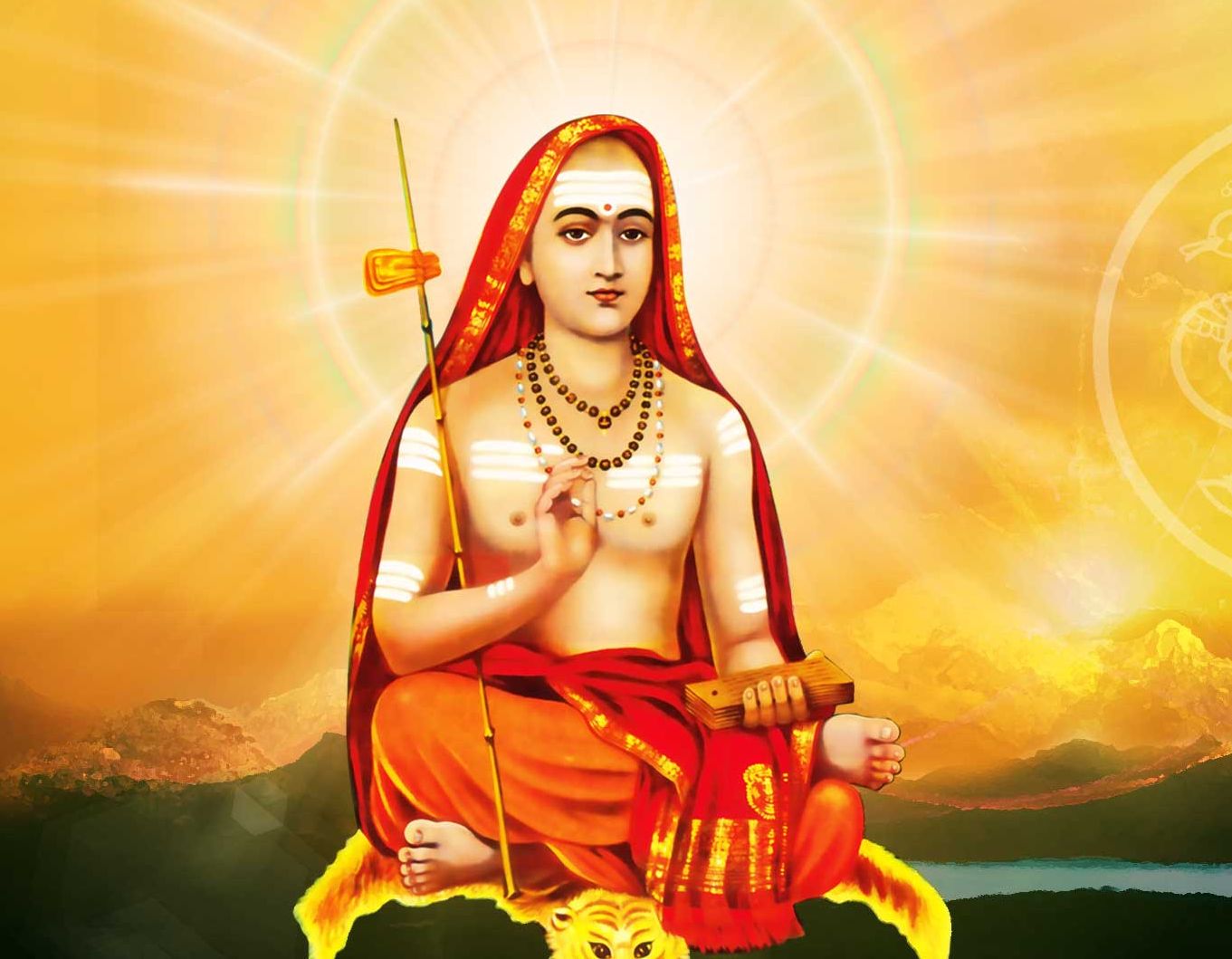
In the profound words of Adi Shankara, "The same Self that is in you is in me, and in all beings." This statement invites us to explore the interconnectedness of existence, suggesting that the essence of our being transcends individual identities. It challenges the illusion of separateness, urging us to recognize a shared consciousness that binds all living entities. Understanding this unity is not merely an intellectual exercise; it holds the potential to transform our relationships, our sense of self, and ultimately, our experience of life itself.
As we delve deeper into this quote, we uncover layers of meaning that resonate with the core teachings of Vedanta. The notion of a singular Self, present in every being, invites us to reflect on the nature of existence and our place within it. It beckons us to consider how our perceptions of individuality may obscure the underlying truth of unity. In a world often marked by division and conflict, embracing this interconnectedness can foster compassion, empathy, and a profound sense of belonging.
The image / the metaphor
At its heart, Shankara's quote employs the metaphor of the "Self" to convey a universal truth. The term "Self" refers not to the ego or individual personality but to the deeper essence that resides within all beings. This essence is likened to a vast ocean, where each wave represents an individual life, yet all waves arise from and return to the same water. The verbs "is in" emphasize presence and continuity, suggesting that this Self is not a distant concept but an immediate reality that permeates our existence.
Delving further into the metaphor, we can see that the quote invites us to dissolve the boundaries we often erect between ourselves and others. The imagery of shared essence encourages us to recognize that our joys, sorrows, and struggles are not isolated experiences but part of a collective human journey. This realization can evoke a sense of kinship with all beings, prompting us to act with greater kindness and understanding, as we come to see ourselves reflected in the lives of others.
In the speaker's tradition
Adi Shankara, a pivotal figure in the Advaita Vedanta tradition, articulated the philosophy of non-duality, which posits that the individual self (Atman) and the universal self (Brahman) are ultimately one. This teaching aligns with the concept of *dharma*, the moral order that governs the universe, suggesting that recognizing our shared Self is essential for living in harmony with this order. The idea of *kenosis*, or self-emptying, resonates here as well; by letting go of our ego-driven identities, we can embrace the fullness of our interconnected existence.
In the *Atma Bodha*, where this quote originates, Shankara elucidates the nature of the Self through various analogies and teachings. He draws parallels with concepts such as *sunyata* (emptiness) and *fana* (annihilation of the self), both of which emphasize the dissolution of the individual ego in the face of a greater reality. This philosophical framework invites us to explore the depths of our being and to recognize that our true nature is not separate but part of a vast, interconnected whole.
Living the teaching
Consider a modern scenario where this teaching can be applied: a workplace conflict. When tensions arise between colleagues, it is easy to view the situation through a lens of division, where each person is seen as an adversary. However, if we approach the conflict with the understanding that the same Self resides in each individual, we can shift our perspective. This awareness encourages us to seek common ground, fostering collaboration and empathy rather than competition and discord.
In personal relationships, this teaching can manifest in moments of misunderstanding or hurt. When we recognize that the essence of our partner is the same as our own, we can cultivate compassion and patience. Instead of reacting defensively, we can ask ourselves how we would feel if we were in their position, allowing the shared nature of our being to guide our responses. This practice not only deepens our connections but also nurtures a sense of peace and understanding in our interactions.
A reflection
As we contemplate Shankara's profound insight, we are invited to ask ourselves: How can I cultivate a deeper awareness of the shared Self in my daily life? This question encourages us to explore the ways in which we perceive ourselves and others, challenging us to move beyond superficial differences and embrace the unity that underlies our existence. In doing so, we may find that our relationships, our communities, and our world can transform in remarkable ways.






Join the BrightStar Community
Stay connected with daily inspiration, event announcements, and community wisdom