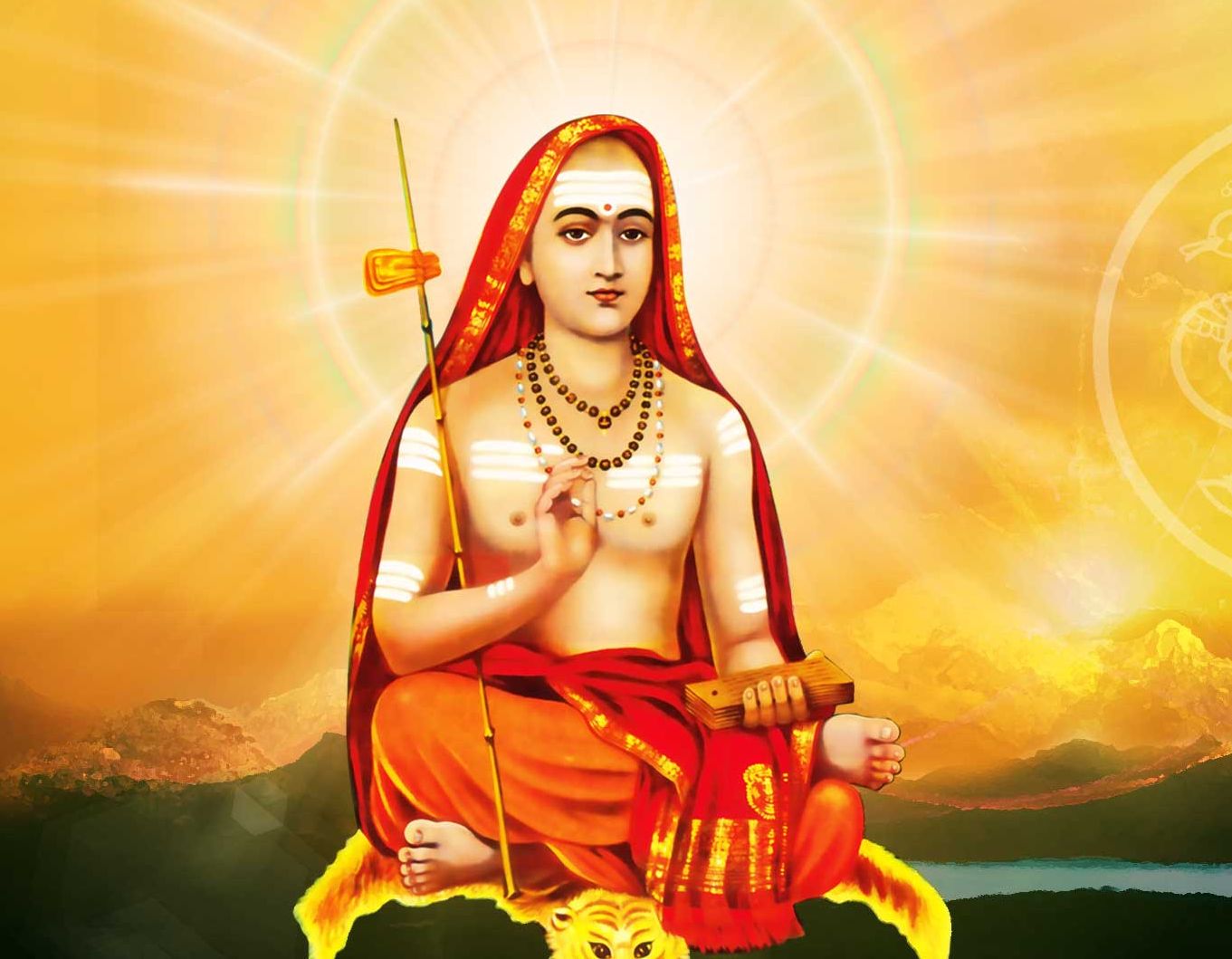
The Essence of Being: Unraveling the Supreme Truth
In the profound words of Adi Shankara, "That thou art — Tat tvam asi — this is the supreme truth." This declaration encapsulates the essence of identity, suggesting that the individual self is not separate from the universal consciousness. It invites us to explore the depths of our being, urging us to recognize the interconnectedness of all existence. Understanding this truth is not merely an intellectual exercise; it is a transformative journey that can lead to liberation from the illusions of separateness and suffering.
At its core, this statement challenges the very fabric of our perceived reality. It compels us to question the nature of self and existence, pushing us beyond the confines of ego and individual identity. In a world often dominated by dualistic thinking, where we categorize ourselves as separate entities, Shankara's assertion serves as a reminder of our inherent unity with the cosmos. This realization is not just philosophical; it has practical implications for how we live, relate to others, and engage with the world around us.
The image / the metaphor
The phrase "Tat tvam asi" translates to "That thou art," a powerful assertion that evokes a sense of profound connection. The imagery here is one of merging, where the individual self (the "thou") is revealed to be one with the ultimate reality (the "That"). The choice of the verb "art" implies a state of being, suggesting that this unity is not a distant goal but an intrinsic aspect of our existence. It invites us to feel the weight of this truth, to embody it in our daily lives, and to recognize that our essence is not separate from the divine.
In the speaker's tradition
Adi Shankara's teachings are rooted in the Vedantic tradition, which emphasizes the non-dual nature of reality. Central to this philosophy is the concept of Brahman, the ultimate reality that pervades all existence. In this context, "Tat tvam asi" serves as a reminder of our divine essence, urging us to recognize that our individual identities are but reflections of this greater truth. This understanding aligns with the principles of dharma, where living in accordance with our true nature leads to harmony and fulfillment.
Moreover, Shankara's teachings resonate with the notion of prajna, or wisdom, which is the insight that arises from realizing our unity with the cosmos. In the text Vivekachudamani, he elaborates on the importance of discernment in recognizing the distinction between the eternal self and the transient world. This discernment is not merely intellectual but experiential, requiring a deep engagement with the self and the world around us. By embodying the truth of "Tat tvam asi," we cultivate a profound understanding that transcends mere knowledge, leading to liberation from the cycles of birth and death.
Living the teaching
Consider a modern scenario where this teaching can be applied: a workplace conflict. Imagine two colleagues who are at odds, each perceiving the other as an obstacle to their success. By embracing the essence of "Tat tvam asi," they can begin to see beyond their individual grievances and recognize the shared humanity that binds them. This shift in perspective can transform their interactions, fostering collaboration and understanding rather than division. In this way, the teaching becomes a practical tool for navigating the complexities of human relationships.
Another application of this teaching can be found in personal relationships, particularly during moments of tension or misunderstanding. When faced with conflict, one might reflect on "Tat tvam asi" to remind themselves that the other person is not separate from them but rather a reflection of their own self. This realization can soften the heart, allowing for empathy and compassion to emerge. By recognizing the interconnectedness of all beings, we can cultivate a sense of unity that transcends the ego's desire to defend and separate, leading to deeper, more meaningful connections.
A reflection
As we contemplate the profound truth encapsulated in "Tat tvam asi," we are invited to engage in a reflective practice. What does it mean for you to recognize that your essence is not separate from the universe? How might this understanding shift your perception of yourself and your relationships with others? Allow this question to linger in your mind, inviting you to explore the depths of your being and the interconnectedness of all existence.






Join the BrightStar Community
Stay connected with daily inspiration, event announcements, and community wisdom