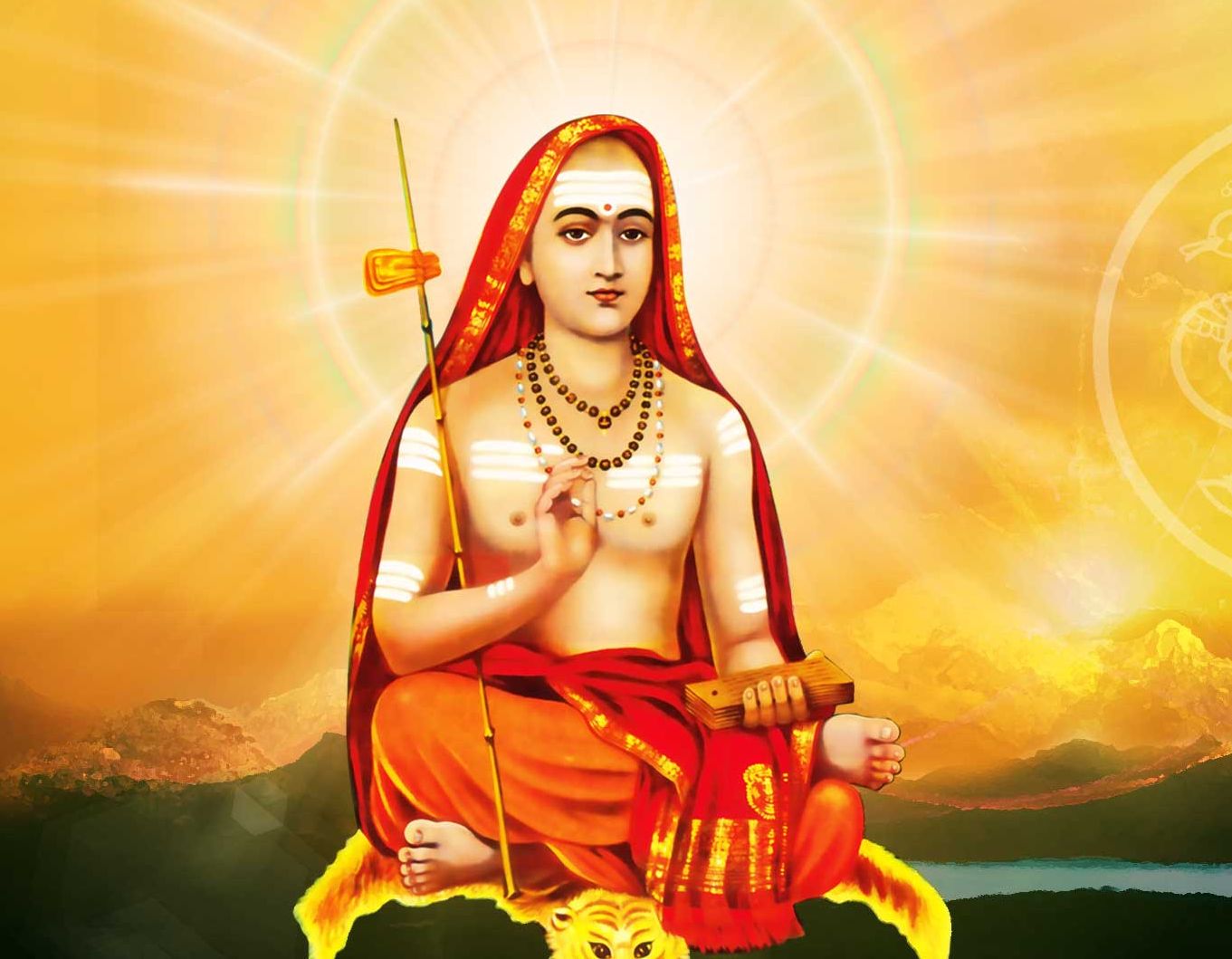
Illuminating the True Self Through Inquiry
In the profound words of Adi Shankara, "By Self-inquiry, the false 'I' dissolves and the true 'I' shines forth." This statement encapsulates a transformative journey, one that invites us to peel away the layers of our constructed identities to reveal the essence of who we truly are. The stakes are high; in a world where the ego often masquerades as our true self, the quest for authenticity becomes not just a philosophical endeavor but a vital necessity for spiritual awakening.
Self-inquiry, as articulated by Shankara, is not merely an intellectual exercise but a deep, contemplative practice that requires courage and commitment. It challenges us to confront the illusions we hold about ourselves and the narratives we have woven around our identities. This process is essential for anyone seeking to transcend the limitations imposed by societal expectations and personal fears, ultimately leading to a more profound understanding of existence and our place within it.
The image / the metaphor
The imagery in Shankara's quote is striking, evoking a sense of dissolution and illumination. The phrase "false 'I'" suggests a constructed self, one that is often rooted in external validation, societal roles, and transient experiences. In contrast, the "true 'I'" represents a deeper, unchanging essence that exists beyond these superficial layers. The verbs "dissolves" and "shines forth" create a dynamic interplay between loss and revelation, emphasizing that the path to understanding oneself is not about gaining something new but rather about shedding what is false.
Diving deeper into this metaphor, we can envision the process of self-inquiry as akin to the act of polishing a tarnished mirror. The tarnish represents our ego, the false self that clouds our perception. As we engage in self-inquiry, we gradually remove this tarnish, allowing the true reflection of our being to emerge. This metaphor not only highlights the transformative nature of the practice but also suggests that the true self is always present, waiting to be uncovered rather than created anew.
In the speaker's tradition
Adi Shankara's teachings are rooted in the Vedantic tradition, which emphasizes the distinction between the eternal self (Atman) and the transient world (Maya). Concepts such as dharma, the moral order, and prajna, or wisdom, play crucial roles in this exploration of self. The process of self-inquiry aligns with the Vedantic pursuit of knowledge, where understanding the nature of the self leads to liberation (moksha) from the cycles of birth and death. This journey is not merely intellectual; it is a deeply spiritual undertaking that requires a commitment to truth and authenticity.
In the Vivekachudamani, Shankara elaborates on the nature of reality and the self, emphasizing that ignorance (avidya) is the root of suffering. By engaging in self-inquiry, one can dispel this ignorance and realize the oneness of Atman and Brahman, the ultimate reality. This realization is akin to the Buddhist concept of sunyata, or emptiness, where the dissolution of the ego leads to a profound understanding of interconnectedness and the nature of existence.
Living the teaching
Consider a modern scenario where an individual grapples with their career identity. Many people define themselves by their job titles, leading to a sense of worth that is contingent upon external success. In this context, self-inquiry can serve as a powerful tool for reflection. By asking questions such as "Who am I beyond my profession?" or "What values truly define me?", one can begin to peel away the layers of the false 'I', ultimately discovering a more authentic self that is not bound by societal expectations.
In relationships, the application of this teaching can be equally transformative. Imagine a situation where misunderstandings arise due to ego-driven reactions. By practicing self-inquiry, one can pause and reflect on their motivations and fears, asking, "What part of me feels threatened?" or "How can I respond from a place of love rather than fear?" This shift in perspective not only fosters deeper connections but also cultivates a sense of peace and understanding, allowing the true self to shine forth in interactions with others.
A reflection
As we contemplate Shankara's profound insight, we are invited to engage in our own self-inquiry. What aspects of your identity feel constructed or false? In what ways can you begin to dissolve these layers to reveal your true self? This contemplative question serves as a gateway to deeper understanding and invites us to embark on a journey of authenticity and self-discovery.






Join the BrightStar Community
Stay connected with daily inspiration, event announcements, and community wisdom