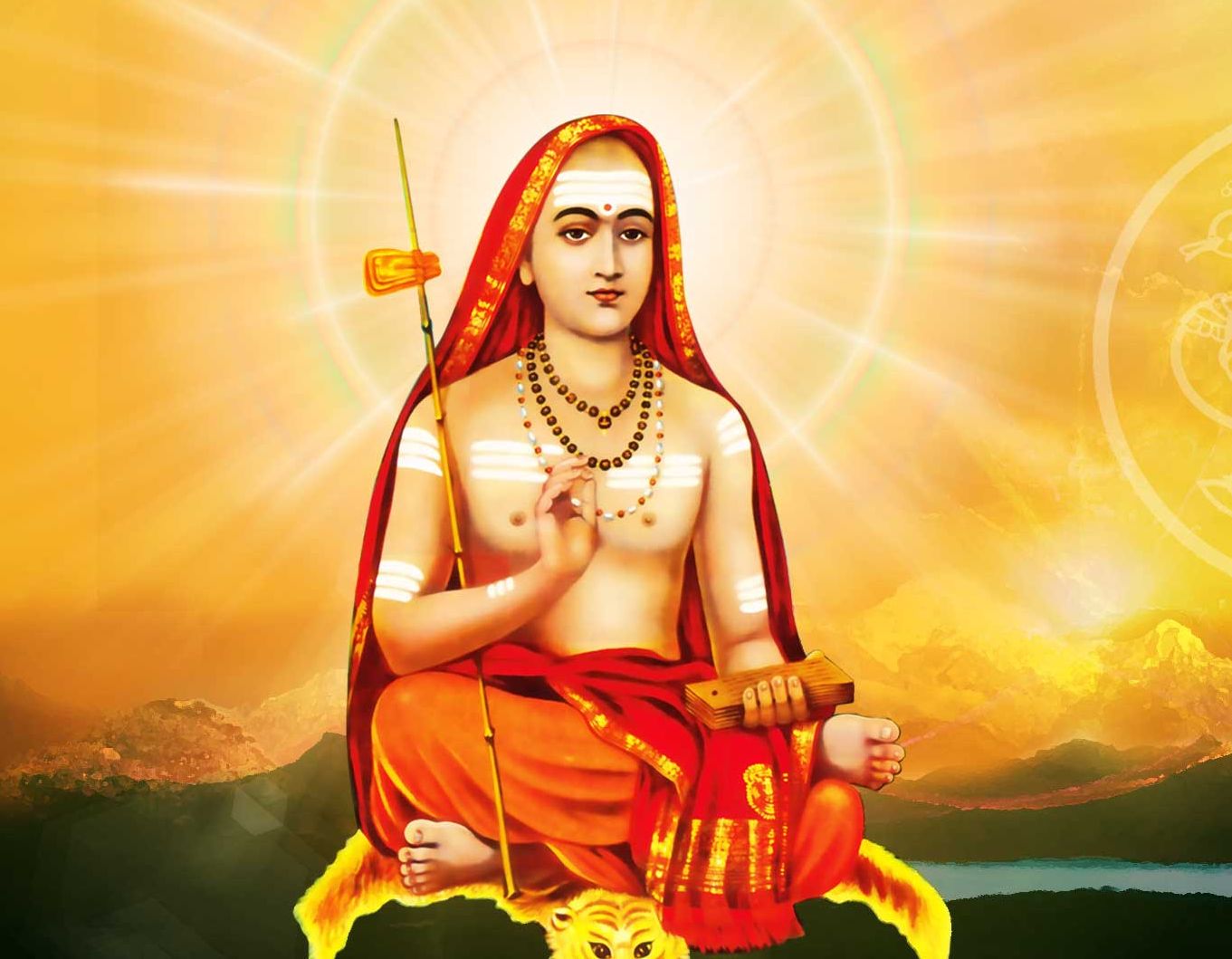
The Golden Thread of Unity
In the profound words of Adi Shankara, "As gold is one even when shaped into ornaments of various forms, so the Self is one in all beings." This statement invites us to reflect on the essential unity that underlies the apparent diversity of existence. It challenges us to look beyond the superficial differences that separate us and recognize the shared essence that connects all living beings. Understanding this unity is not merely an intellectual exercise; it has the power to transform our relationships, our sense of self, and our approach to the world.
Shankara's metaphor of gold serves as a powerful reminder of the intrinsic value and oneness of the Self, which remains unchanged despite the myriad forms it takes. In a world often characterized by division and conflict, this teaching offers a pathway to deeper compassion and understanding. By contemplating the nature of the Self as a singular essence manifesting in diverse forms, we can cultivate a sense of belonging that transcends the boundaries of individuality and fosters a more harmonious existence.
The image / the metaphor
The imagery of gold in Shankara's quote evokes a sense of purity and permanence. Gold, as a metal, retains its essence regardless of how it is fashioned—be it into a ring, a necklace, or a bracelet. This notion of transformation without loss of identity is central to understanding the Self in Vedanta philosophy. The verbs chosen—"is" and "shaped"—suggest a static essence that remains constant amid dynamic forms, inviting us to explore the relationship between the eternal and the ephemeral.
Diving deeper into this metaphor, we can see that the various ornaments represent the multitude of identities, roles, and experiences that individuals embody throughout their lives. Just as gold can be molded into different shapes without losing its fundamental nature, so too can the Self express itself through various forms and experiences. This understanding encourages us to appreciate the diversity of life while recognizing the underlying unity that binds us all together, much like the gold that remains unchanged beneath its many adornments.
In the speaker's tradition
Adi Shankara's teachings are rooted in the Advaita Vedanta tradition, which emphasizes non-duality and the oneness of the Self (Atman) with the ultimate reality (Brahman). This perspective aligns with the concept of *dharma*, which encourages individuals to live in accordance with their true nature and the greater cosmic order. The idea of *kenosis*, or self-emptying, resonates here as well, as it invites us to let go of our ego-driven identities and recognize our connection to the whole. In this light, the quote serves as a reminder that our true essence is not defined by our transient forms but by our shared existence.
In the *Vivekachudamani*, the text from which this quote is drawn, Shankara elaborates on the distinction between the eternal Self and the temporary physical body. He emphasizes that true knowledge (*prajna*) arises from realizing this unity, leading to liberation (*moksha*). This realization is akin to the Buddhist concept of *sunyata*, or emptiness, which teaches that all phenomena are interdependent and lack inherent existence. Both traditions converge on the understanding that recognizing the oneness of all beings is essential for spiritual awakening.
Living the teaching
Consider a modern scenario where this teaching can be applied: a workplace filled with diverse personalities and perspectives. In such an environment, conflicts may arise due to differing opinions and approaches. By embracing Shankara's insight, one can cultivate a sense of empathy and understanding, recognizing that beneath the varied expressions of individuality lies a shared human experience. This awareness can transform interactions, fostering collaboration and harmony rather than division.
In the realm of personal relationships, the application of this teaching can be equally profound. Imagine a moment of tension with a loved one, where misunderstandings and hurt feelings create a chasm between you. By recalling the essence of unity expressed in Shankara's quote, you might approach the situation with compassion, recognizing that both you and your loved one are manifestations of the same underlying Self. This perspective can facilitate healing and connection, reminding us that our differences are but temporary forms of the same eternal essence.
A reflection
As we contemplate the wisdom of Adi Shankara's words, we are invited to ask ourselves: How can I deepen my understanding of the unity that exists within the diversity of life? This question encourages us to explore our own experiences and relationships, seeking to uncover the golden thread of connection that binds us to others. In doing so, we may find that our journey toward recognizing the oneness of all beings is not only a spiritual pursuit but a pathway to greater compassion, understanding, and love.






Join the BrightStar Community
Stay connected with daily inspiration, event announcements, and community wisdom