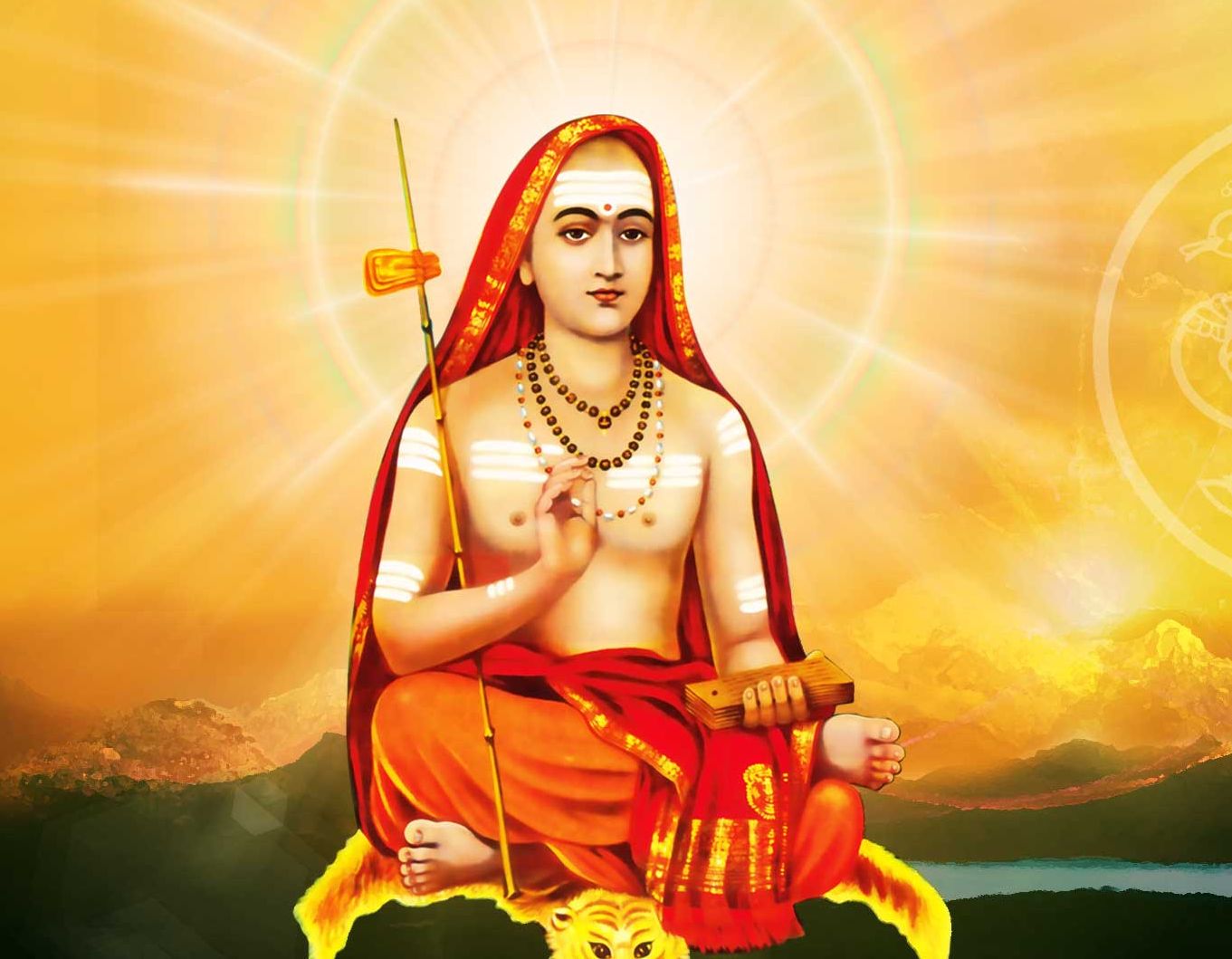
The Essence of Unity: Understanding the Self in All Things
In the profound words of Adi Shankara, "All that exists, all that has been, all that will be — is none other than the Self." This statement invites us to contemplate the nature of existence and the interconnectedness of all things. It challenges the boundaries of individual identity, urging us to recognize that the essence of everything we perceive is rooted in a singular, universal Self. This understanding is not merely philosophical; it has the power to transform our experience of life, fostering a sense of unity and belonging in a world often perceived as fragmented.
Shankara's assertion serves as a reminder that the distinctions we draw between ourselves and the world around us are ultimately illusory. By recognizing the Self as the underlying reality of all existence, we can begin to dissolve the barriers that separate us from one another and from the universe itself. This perspective is not just an abstract idea; it is a call to awaken to a deeper understanding of our place in the cosmos, one that emphasizes harmony, compassion, and a profound sense of connection.
The image / the metaphor
The imagery in Shankara's quote evokes a vast, all-encompassing reality where the Self is not merely an individual entity but the very fabric of existence. The verbs "exists," "has been," and "will be" suggest a continuum that transcends time, inviting us to see the Self as both the source and the destination of all that is. This portrayal of the Self as the essence of everything creates a sense of wholeness, where every aspect of life is interwoven into a singular tapestry of being.
Diving deeper into the metaphor, we can envision the Self as a vast ocean, with individual lives and experiences represented as waves. Each wave rises and falls, seemingly distinct, yet fundamentally composed of the same water. This imagery illustrates the transient nature of our individual identities while affirming that we are all manifestations of the same underlying reality. The waves may crash and recede, but the ocean remains constant, symbolizing the eternal nature of the Self that encompasses all existence.
In the speaker's tradition
Adi Shankara's teachings are rooted in the Vedantic tradition, which emphasizes the non-dual nature of reality. Central to this philosophy is the concept of Brahman, the ultimate reality that is both immanent and transcendent. In this context, the Self is not merely an individual soul (Atman) but is identified with Brahman, suggesting that the realization of one's true nature leads to liberation (moksha). This understanding aligns with the principles of dharma, where living in accordance with one's true self fosters harmony with the universe.
In the Vivekachudamani, Shankara elaborates on the distinction between the eternal Self and the transient world, guiding seekers toward self-realization. The text serves as a manual for discernment (viveka), encouraging individuals to differentiate between the eternal and the ephemeral. This journey of self-inquiry and realization is echoed in other spiritual traditions, such as the Buddhist concept of sunyata (emptiness), which similarly points to the interconnectedness of all phenomena and the illusion of separateness.
Living the teaching
Consider a modern scenario where this teaching can be applied: a workplace conflict. Imagine two colleagues who are at odds over a project, each feeling misunderstood and isolated in their perspectives. By embracing the understanding that both individuals are expressions of the same underlying Self, they can approach the situation with greater empathy and openness. This shift in perception allows them to see beyond their differences, fostering collaboration and a sense of shared purpose.
Another application of this teaching can be found in personal relationships. During moments of tension or disagreement, we often forget the fundamental connection we share with others. By remembering that the essence of our being is the same as that of our loved ones, we can cultivate compassion and patience. This awareness transforms conflict into an opportunity for growth, allowing us to navigate challenges with a sense of unity rather than division.
A reflection
As we contemplate Shankara's profound statement, we are invited to explore the nature of our own identity and our relationship with the world. How can we begin to see the interconnectedness of all beings in our daily lives? In what ways might recognizing the Self in others transform our interactions and deepen our understanding of unity? This contemplative inquiry encourages us to embrace the essence of our shared existence, fostering a sense of belonging and peace in a world that often feels divided.







Join the BrightStar Community
Stay connected with daily inspiration, event announcements, and community wisdom