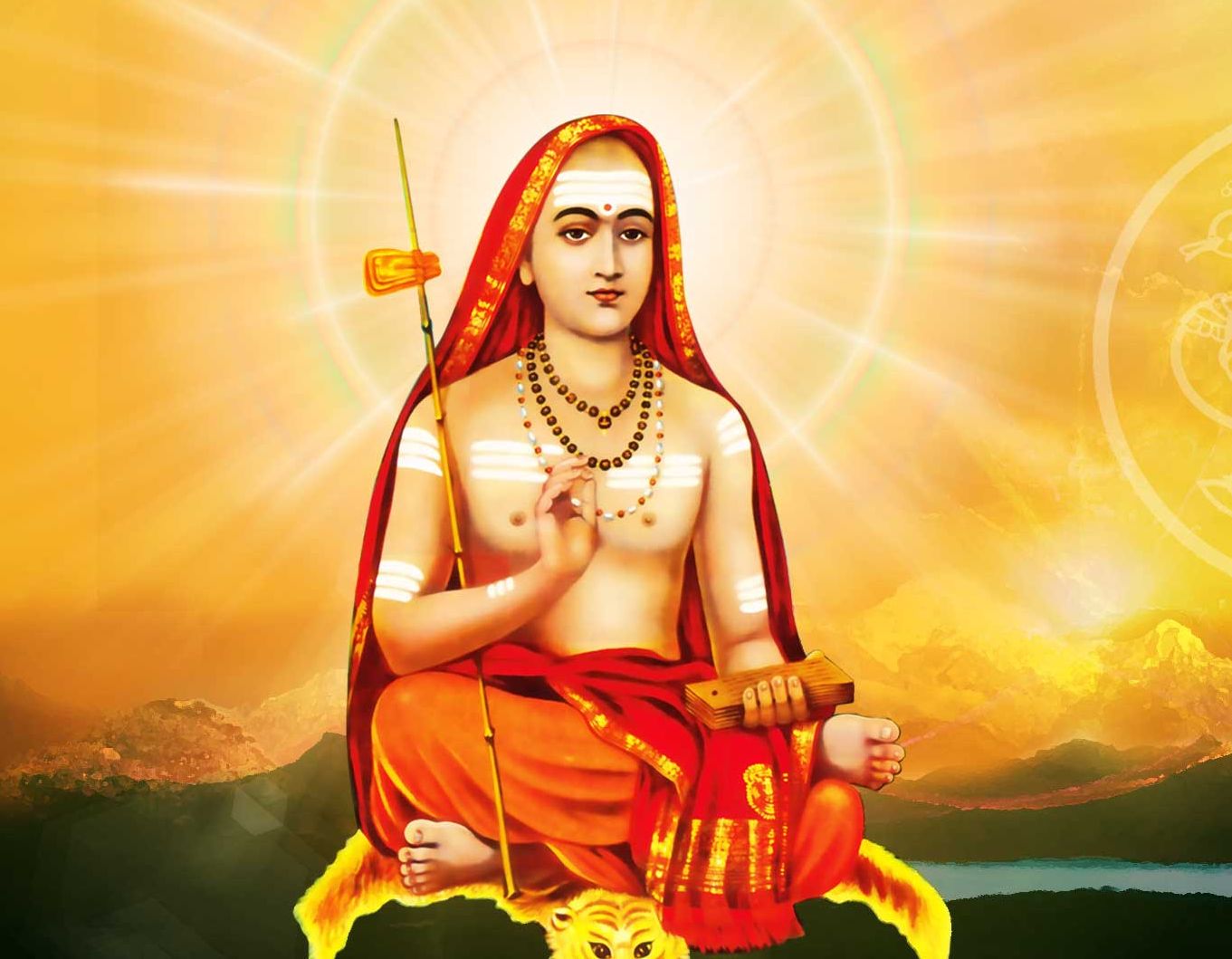
Beyond the Surface: Embracing the Depths of Identity
In the profound words of Adi Shankara, "You are the ocean, not the waves," we are invited to explore the essence of our identity beyond the transient nature of our experiences. This statement beckons us to recognize that while we may often identify with the fleeting waves of our thoughts, emotions, and circumstances, our true nature is far more expansive and enduring. Understanding this distinction is crucial, as it can lead to a deeper sense of peace and self-awareness, allowing us to navigate life's challenges with grace.
As we delve into this quote, we uncover layers of meaning that speak to the heart of human existence. The ocean symbolizes the vast, unchanging reality of our true self, while the waves represent the myriad experiences and identities we adopt throughout our lives. By embracing the oceanic aspect of our being, we can cultivate a sense of stability and connection to something greater than ourselves, fostering resilience in the face of life's inevitable fluctuations.
The image / the metaphor
At first glance, the imagery of the ocean and waves evokes a sense of tranquility and fluidity. The ocean, with its boundless expanse, suggests a depth that is both nurturing and powerful, while the waves, ever-changing and momentary, illustrate the transient nature of our thoughts and feelings. The choice of verbs in this quote—"are" versus "not"—highlights a fundamental distinction between being and becoming, urging us to recognize our inherent nature rather than merely our surface-level experiences.
Diving deeper into this metaphor, we find that the ocean represents the ultimate reality, the unconditioned consciousness that underlies all existence. In contrast, the waves signify the individual experiences, identities, and emotions that arise and dissipate in the flow of life. This distinction invites us to shift our focus from the ephemeral to the eternal, encouraging us to cultivate awareness of our true essence, which remains undisturbed by the vicissitudes of life.
In the speaker's tradition
Adi Shankara, a pivotal figure in the Advaita Vedanta tradition, emphasizes the non-dual nature of reality, where the individual self (Atman) is ultimately one with the universal consciousness (Brahman). This teaching aligns with the concept of *Maya*, the illusion that leads us to identify with the waves of our experiences rather than the ocean of our true self. By recognizing the illusory nature of our transient identities, we can begin to live in accordance with *Dharma*, the path of righteousness that aligns us with our deeper purpose.
In the *Vivekachudamani*, Shankara articulates the importance of discernment (*Viveka*) in understanding the distinction between the eternal and the ephemeral. This text serves as a guide for seekers, urging them to cultivate wisdom and clarity in their spiritual journey. By embracing the oceanic aspect of our being, we can transcend the limitations of our individual waves and awaken to the profound interconnectedness of all existence.
Living the teaching
Consider a modern scenario where this teaching can be applied: a person facing a significant life change, such as a job loss or the end of a relationship. In such moments, it is easy to become engulfed by the waves of despair, anxiety, and self-doubt. However, by remembering that they are the ocean, they can find solace in the understanding that these experiences, while impactful, do not define their entire being. This perspective allows them to navigate the stormy waters with resilience, recognizing that their true essence remains intact and unshaken.
In the context of relationships, this teaching can also illuminate the dynamics between partners. When conflicts arise, individuals may feel like they are merely the waves of anger or frustration, reacting impulsively to the situation. By cultivating awareness of their oceanic nature, they can approach the conflict with a sense of calm and understanding, recognizing that their true self is not diminished by the temporary turbulence of emotions. This shift in perspective fosters deeper connections and promotes healing within the relationship.
A reflection
As we contemplate the wisdom embedded in Shankara's quote, we are invited to reflect on our own identities and the ways we may be identifying with the waves of our experiences. What would it mean for you to embrace the ocean within? In moments of challenge or uncertainty, how can you remind yourself of your true, unchanging essence? This inquiry invites us to explore the depths of our being, encouraging a journey toward self-discovery and inner peace.






Join the BrightStar Community
Stay connected with daily inspiration, event announcements, and community wisdom