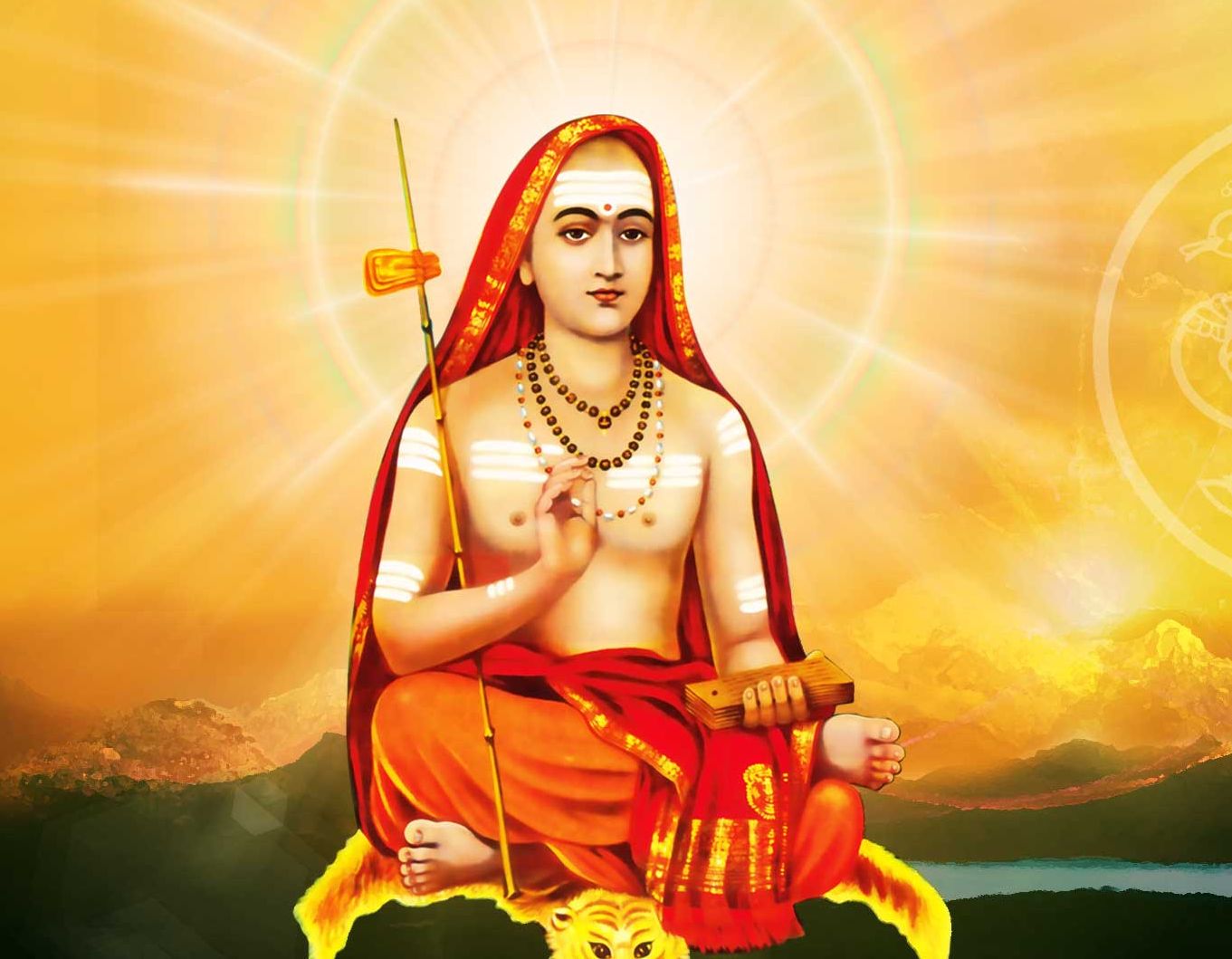
Unity Reflected: The Moon and the Self
In the profound words of Adi Shankara, "Yet the moon is one. So too the Self." This statement invites us to explore the intricate relationship between the individual self and the universal essence that binds all existence. At its core, this teaching emphasizes the unity underlying the apparent diversity of life, urging us to recognize that beneath our myriad identities and experiences lies a singular, unifying consciousness. Understanding this concept is not merely an intellectual exercise; it is a transformative journey that can lead to profound inner peace and connection with the world around us.
As we delve deeper into this quote, we uncover layers of meaning that resonate with the essence of Vedanta philosophy. The moon, often a symbol of reflection and illumination, serves as a metaphor for the Self—an entity that, while appearing fragmented in its manifestations, is fundamentally whole and indivisible. This realization holds significant implications for our understanding of identity, purpose, and the nature of reality itself. By contemplating the unity of the Self, we are invited to transcend the limitations of our ego and embrace a more expansive view of existence.
The image / the metaphor
The imagery of the moon in Shankara's quote evokes a sense of beauty and tranquility, inviting us to reflect on its luminous presence in the night sky. The moon, though it appears to wax and wane, remains a singular celestial body, unaffected by the changing phases it undergoes. This choice of imagery is deliberate; it illustrates the idea that while our experiences and identities may shift, the essence of who we are—the Self—remains constant and unchanging. The verbs "is" and "too" in the phrase "So too the Self" emphasize this continuity, suggesting that just as the moon is one, so too is our true nature.
In the speaker's tradition
Adi Shankara's teachings are deeply rooted in the tradition of Advaita Vedanta, which emphasizes the non-duality of the Self and the ultimate reality, Brahman. Central to this philosophy is the concept of *Maya*, the illusion that creates the perception of separateness and multiplicity in the world. By understanding that the moon is one, we are encouraged to see beyond the veil of *Maya* and recognize the underlying unity of all beings. This perspective aligns with the notion of *Dharma*, which calls us to live in harmony with the greater whole, acknowledging our interconnectedness with all life.
In the context of Shankara's work, we can draw parallels to the *Upanishads*, ancient texts that explore the nature of reality and the Self. For instance, the *Chandogya Upanishad* states, "Tat Tvam Asi," or "That Thou Art," reinforcing the idea that the individual self is not separate from the universal essence. This profound realization is a cornerstone of Vedanta, inviting us to dissolve the boundaries of our perceived individuality and embrace the oneness that exists at the heart of all creation.
Living the teaching
Consider a modern scenario where this teaching can be applied: a workplace filled with diverse personalities and competing interests. In such an environment, it is easy to become entrenched in our individual roles and responsibilities, leading to conflict and division. However, by embracing the understanding that "the Self is one," we can cultivate a sense of empathy and collaboration. Recognizing that our colleagues are not merely separate entities but reflections of the same underlying consciousness can foster a spirit of cooperation and mutual support, transforming the workplace into a harmonious space.
Another application of this teaching can be found in our personal relationships. Imagine a moment of conflict with a loved one, where misunderstandings and hurt feelings create a chasm between you. In such times, recalling the unity of the Self can serve as a powerful reminder that beneath the surface disagreements lies a shared essence. By approaching the situation with compassion and the awareness that both you and your loved one are expressions of the same fundamental reality, you can navigate the conflict with greater understanding and love, ultimately deepening your connection.
A reflection
As we contemplate the wisdom of Shankara's words, we are left with a profound question to ponder: How can I cultivate a deeper awareness of the unity that exists within myself and in my relationships with others? This inquiry invites us to explore the ways in which we can transcend the illusion of separateness and embrace the interconnectedness of all beings. By engaging with this question, we open ourselves to a transformative journey toward greater compassion, understanding, and ultimately, a more profound experience of unity in our lives.






Join the BrightStar Community
Stay connected with daily inspiration, event announcements, and community wisdom