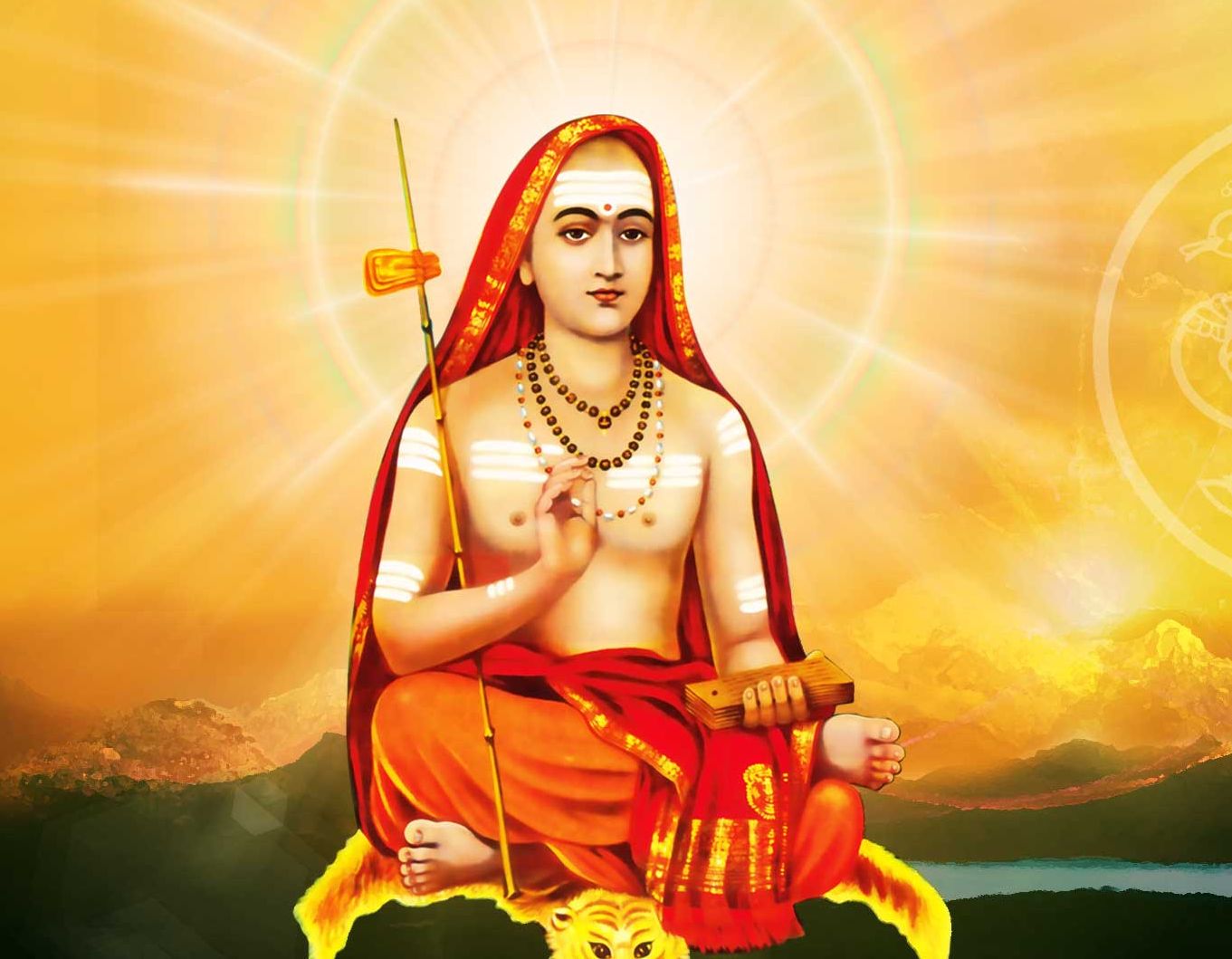
The Liberating Inquiry of Self-Discovery
“Who am I? — this is the inquiry that liberates.” In this profound statement, Adi Shankara invites us to embark on a journey of self-exploration that transcends the superficial layers of identity. The essence of this inquiry is not merely philosophical; it is a transformative process that leads to liberation from the confines of ego and illusion. By asking this fundamental question, we are prompted to peel away the layers of societal conditioning and personal narratives that obscure our true nature.
In a world often defined by external validation and material pursuits, the question of self-identity becomes a radical act of introspection. Shankara’s assertion emphasizes that liberation is not found in external achievements or possessions but in the deep understanding of oneself. This inquiry serves as a catalyst for awakening, urging us to confront the illusions we hold about who we are and to seek the deeper truth that lies beneath. It is a call to engage with our innermost being, to explore the essence of existence itself.
The image / the metaphor
The imagery embedded in Shankara's quote evokes a sense of deep introspection and existential inquiry. The act of questioning oneself—“Who am I?”—is not a passive reflection but an active engagement with the self. The verb "inquiry" suggests a dynamic process, one that requires courage and commitment to delve into the depths of our consciousness. This inquiry is akin to a journey through a dense forest, where each question serves as a guiding light, illuminating the path toward self-realization.
Diving deeper into the metaphor, we can see that this inquiry is not merely about seeking an answer but about the transformative journey itself. It is a process of unlearning and shedding the layers of identity that no longer serve us. The liberation that Shankara speaks of is not a destination but a continuous unfolding of awareness. Each moment of inquiry brings us closer to the essence of our being, allowing us to experience the profound interconnectedness of all existence.
In the speaker's tradition
Adi Shankara, a pivotal figure in the Advaita Vedanta tradition, emphasizes the non-dual nature of reality, where the distinction between the self and the universe dissolves. This inquiry into the self aligns with the concept of *prajna*, or wisdom, which is essential for understanding the nature of existence. In Advaita, the realization of the self as *Brahman*—the ultimate reality—requires a deep engagement with the question of identity. This inquiry is not merely intellectual; it is a spiritual practice that leads to the dissolution of the ego and the realization of our true nature.
In the *Aparokshanubhuti*, the text from which this quote is drawn, Shankara elaborates on the importance of self-inquiry as a means to attain liberation (*moksha*). He draws parallels with concepts such as *sunyata* (emptiness) and *fana* (annihilation of the self), which highlight the necessity of transcending the ego to experience the fullness of existence. This inquiry is a path to understanding the nature of reality, where the self is not separate but an integral part of the cosmic whole.
Living the teaching
Consider a modern scenario where an individual grapples with their career choices. Many find themselves trapped in jobs that do not resonate with their true selves, often driven by societal expectations or financial pressures. In such moments, the inquiry “Who am I?” can serve as a powerful tool for reflection. It invites the individual to examine their motivations, desires, and fears, ultimately leading them to a more authentic path that aligns with their true nature and values.
This teaching can also be applied in the context of relationships. When conflicts arise, asking “Who am I?” can shift the focus from blame and defensiveness to self-awareness and understanding. It encourages individuals to explore their emotional triggers and patterns, fostering deeper connections built on authenticity and compassion. By engaging in this inquiry, we cultivate a space for healing and growth, allowing relationships to flourish in a more genuine manner.
A reflection
As we contemplate Shankara's profound question, we are invited to reflect on our own lives: What layers of identity have we constructed that may not reflect our true selves? In what ways can we engage in the inquiry of “Who am I?” to liberate ourselves from these constraints? This contemplation serves as a reminder that the journey of self-discovery is ongoing, and each moment presents an opportunity for deeper understanding and connection with our true essence.





Join the BrightStar Community
Stay connected with daily inspiration, event announcements, and community wisdom