Illusions Unraveled: The Path to Self-Realization
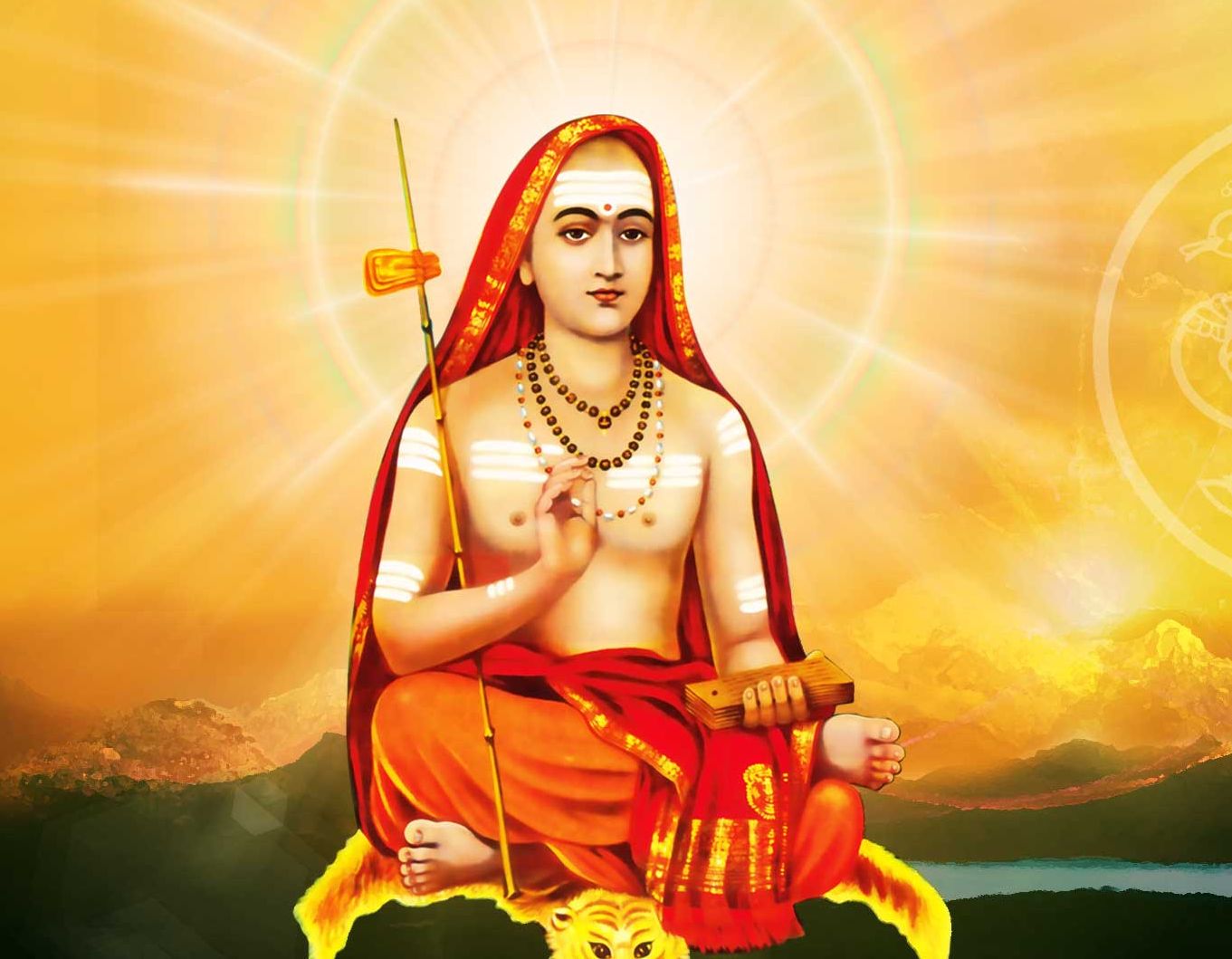
In the profound words of Adi Shankara, "When the rope is seen, the snake disappears. When the Self is known, the world's separateness vanishes." This statement encapsulates a pivotal moment in spiritual awakening, where the illusions that bind us dissolve in the light of true understanding. The stakes are high; recognizing the Self not only transforms our perception of reality but also liberates us from the suffering that arises from our mistaken beliefs about separateness and duality.
Shankara's insight invites us to explore the nature of our existence and the illusions that cloud our vision. The imagery of the snake and the rope serves as a powerful metaphor for the misperceptions that arise in our lives. Just as the snake is a mere projection of our mind onto the rope, the separateness we perceive in the world is a construct of our limited understanding. This realization is not merely an intellectual exercise; it is a transformative experience that can lead to profound inner peace and unity with all that is.
The image / the metaphor
The imagery of the snake and the rope is rich with meaning. At first glance, the snake appears to be a separate entity, evoking fear and confusion. However, upon closer inspection, it becomes clear that the snake is nothing more than an illusion created by our perception of the rope's texture and color. This vivid metaphor illustrates how our minds can distort reality, leading us to believe in a world of separation and duality. The verbs "seen" and "known" are crucial here; they imply an active engagement with reality that transcends mere observation, inviting us to penetrate the surface of appearances.
Diving deeper into this metaphor, we can understand that the rope symbolizes the underlying unity of existence, while the snake represents the myriad distractions and illusions that keep us from recognizing this truth. The act of seeing the rope signifies a shift in consciousness, a movement from ignorance to awareness. This transition is not just a momentary insight but a profound awakening that alters our relationship with the world. When we recognize the Self, the illusions of separateness dissipate, revealing the interconnectedness of all beings.
In the speaker's tradition
Adi Shankara's teachings are deeply rooted in the Vedantic tradition, which emphasizes the realization of the Self as the ultimate goal of human existence. Central to this philosophy is the concept of *Brahman*, the unchanging reality that underlies all phenomena. The illusion of separateness, known as *Maya*, is what keeps us trapped in a cycle of suffering and ignorance. By understanding the nature of the Self, we can transcend this illusion and experience the oneness of existence. This journey is often described in terms of *prajna*, or wisdom, which allows us to discern the real from the unreal.
In the context of Shankara's work, we can draw parallels to the *Upanishads*, ancient texts that explore the nature of reality and the Self. For instance, the *Chandogya Upanishad* states, "Tat tvam asi," or "That thou art," emphasizing the unity between the individual self and the universal consciousness. This profound realization echoes Shankara's assertion that knowing the Self leads to the dissolution of perceived separateness, inviting us to embrace our true nature as part of the greater whole.
Living the teaching
Consider a modern scenario where this teaching can be applied: a moment of conflict in the workplace. Imagine a heated discussion where differing opinions create a sense of division among colleagues. In this situation, the illusion of separateness becomes palpable, as individuals cling to their perspectives, believing they are fundamentally opposed. However, if one were to recognize the underlying unity of purpose and shared goals, the tension could dissolve, allowing for collaboration and understanding. This shift in perception aligns with Shankara's teaching, illustrating how the recognition of the Self can transform our interactions and relationships.
Another application of this teaching can be found in personal relationships, particularly during challenging moments. When misunderstandings arise between partners, the feeling of separateness can lead to emotional distance and conflict. By turning inward and recognizing the shared essence of love and connection, individuals can bridge the gap created by their differences. This practice of seeing beyond the surface allows for healing and reconciliation, embodying the essence of Shankara's wisdom that knowing the Self leads to the vanishing of perceived separateness.
A reflection
As we contemplate the profound wisdom of Adi Shankara, we are invited to reflect on our own experiences of separateness and connection. What illusions do we hold onto that prevent us from recognizing the unity of all existence? In moments of conflict or misunderstanding, how might we shift our perspective to see the underlying truth of our shared humanity? These contemplative questions can guide us on our journey toward self-realization, encouraging us to embrace the transformative power of understanding the Self.






Join the BrightStar Community
Stay connected with daily inspiration, event announcements, and community wisdom