The Freedom Beyond Self
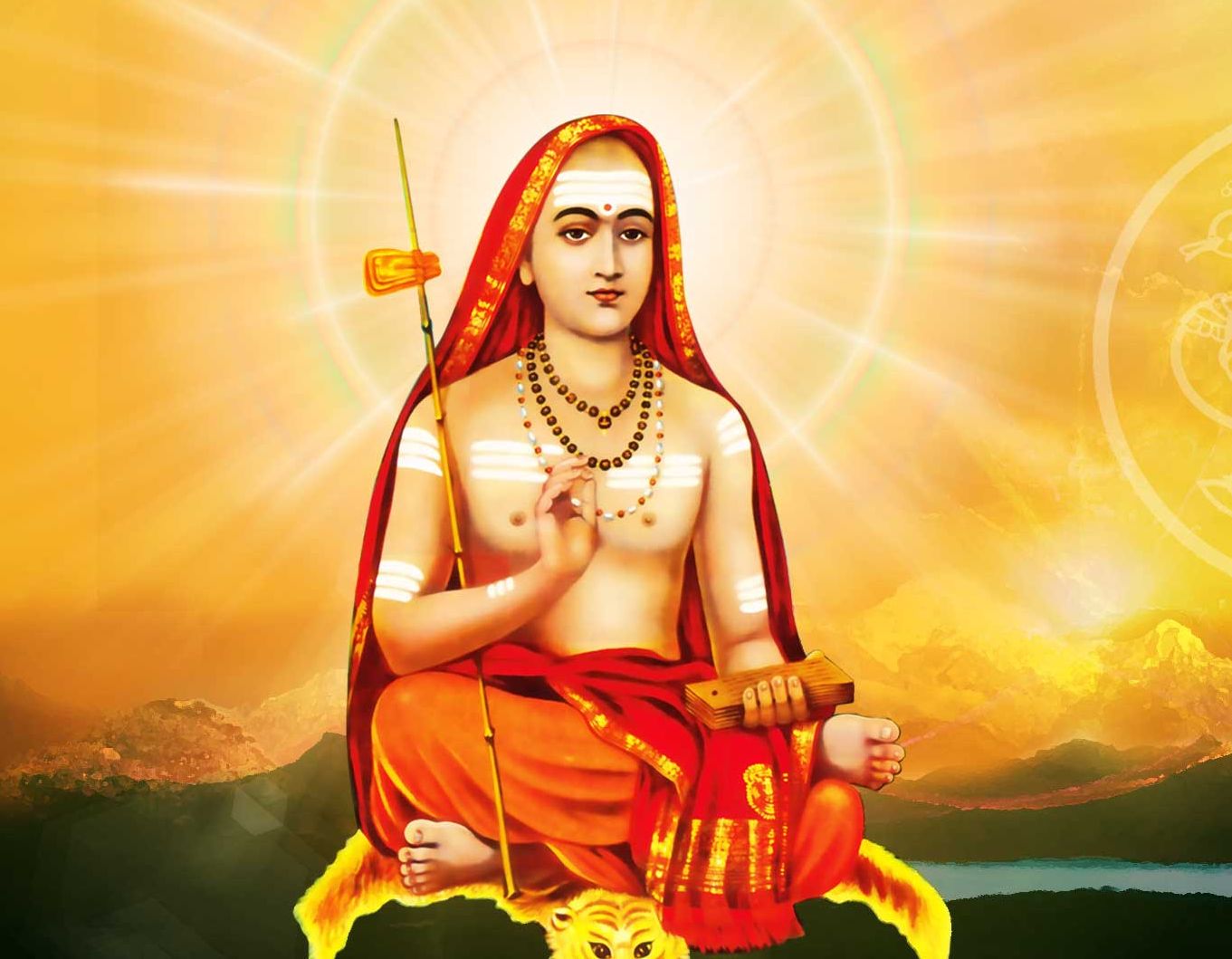
In the profound words of Adi Shankara, "When 'I' and 'mine' fall away, you stand free." This statement encapsulates a transformative insight into the nature of self and liberation. It invites us to consider the burdens we carry through our attachments and identifications, suggesting that true freedom arises when we relinquish our ego-driven sense of ownership and selfhood. This exploration is not merely philosophical; it is a call to experience a deeper reality that transcends the confines of personal identity.
Understanding this quote is essential in a world where the ego often dictates our actions and perceptions. The concepts of 'I' and 'mine' represent the dualistic nature of human existence, where we cling to our identities, possessions, and desires. By examining the implications of Shankara's words, we can begin to unravel the layers of our conditioned selves, leading us toward a state of liberation that is both profound and deeply personal. This journey is not just about letting go; it is about discovering what remains when we do.
The image / the metaphor
The imagery in Shankara's quote evokes a sense of shedding, akin to a snake sloughing off its skin. The verbs "fall away" suggest a natural, almost effortless release, as if the burdens of 'I' and 'mine' are not intrinsic to our being but rather external layers that can be discarded. This process of falling away is not one of loss but of liberation, where the essence of who we are is revealed in its purest form. The felt sense of this imagery is one of lightness and clarity, a movement from the dense fog of ego to the expansive openness of true self.
In the speaker's tradition
Adi Shankara's teachings are rooted in the Vedantic tradition, which emphasizes the non-duality of existence. Central to this philosophy is the concept of *Brahman*, the ultimate reality that transcends individual identity. The notions of *kenosis*—the self-emptying of one's ego—and *sunyata*, or emptiness, resonate deeply with Shankara's assertion. In this context, the dissolution of 'I' and 'mine' aligns with the realization that our true nature is not separate but part of a greater whole, a divine essence that connects all beings.
In the *Vivekachudamani*, the text from which this quote is drawn, Shankara elaborates on the path to self-realization through discernment (*viveka*). He emphasizes the importance of understanding the distinction between the eternal self and the transient nature of the material world. This teaching echoes throughout other Vedantic texts, such as the *Upanishads*, where the quest for knowledge leads to the recognition of one's unity with *Brahman*. The liberation that Shankara speaks of is not merely an abstract idea but a lived experience that unfolds through deep contemplation and practice.
Living the teaching
Consider a modern scenario where this teaching can be applied: the workplace. Many individuals find themselves entangled in the competitive nature of their careers, where the desire for recognition and success can overshadow their true selves. In such environments, the attachment to 'I'—the identity of being a successful employee or a leader—can create stress and anxiety. By recognizing the transient nature of these roles and allowing the ego to fall away, one can approach work with a sense of freedom, creativity, and collaboration, rather than competition.
Another application of this teaching can be found in personal relationships. Often, we cling to our identities as partners, parents, or friends, which can lead to possessiveness and conflict. When we practice the release of 'mine'—the idea that we own or control another person—we open ourselves to deeper connections based on love and acceptance. This shift allows us to appreciate others for who they are, rather than who we want them to be, fostering a sense of freedom and joy in our interactions.
A reflection
As we contemplate the wisdom of Shankara's words, we are invited to explore a profound question: What would it feel like to let go of the labels and attachments that define me? This inquiry encourages us to reflect on the aspects of our lives that we cling to, whether they be roles, possessions, or beliefs. In this space of contemplation, we may begin to uncover the essence of our being that exists beyond the confines of 'I' and 'mine,' leading us toward a more liberated and authentic existence.






Join the BrightStar Community
Stay connected with daily inspiration, event announcements, and community wisdom