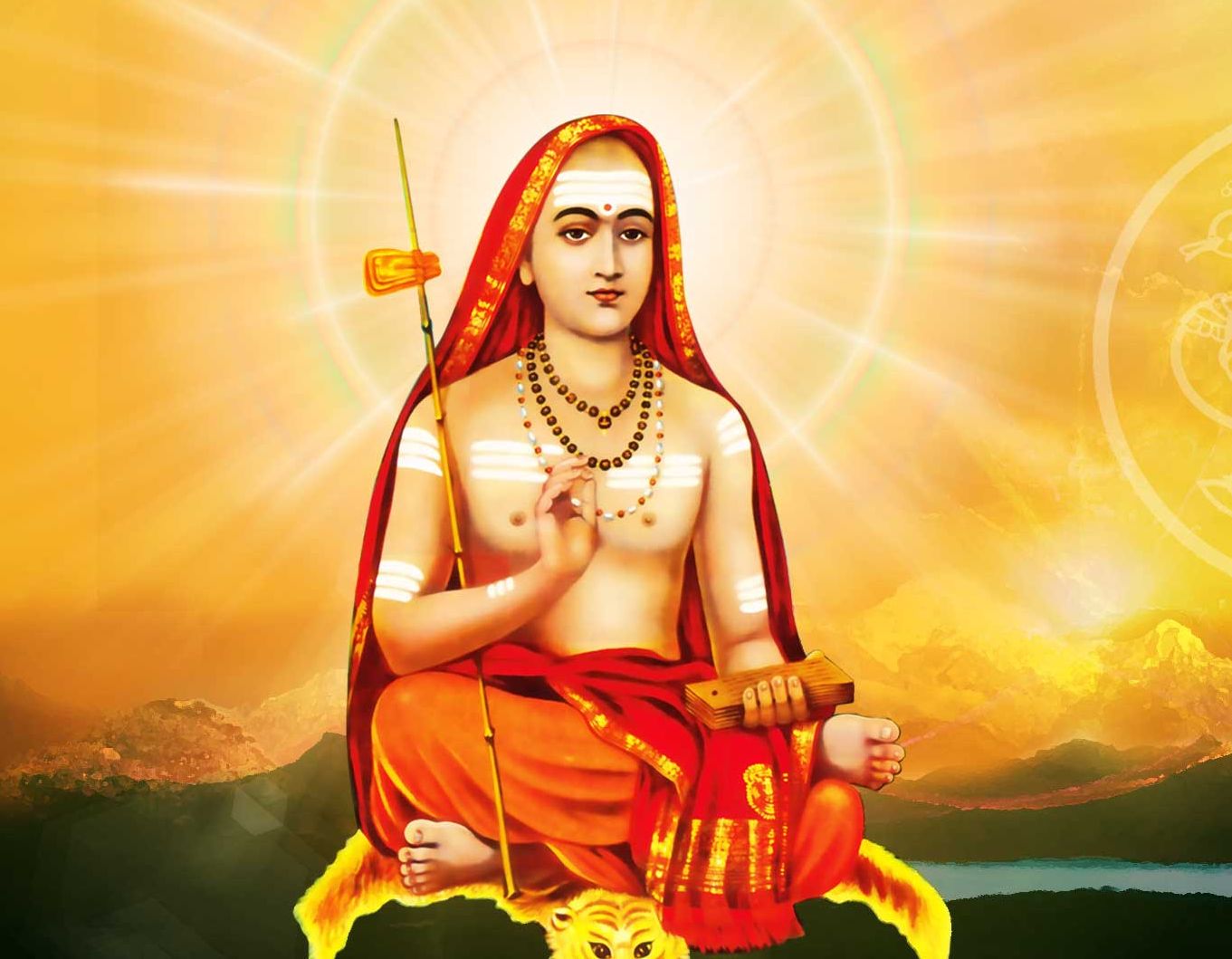
The Illumination of Knowledge: Unveiling the Hidden Truths
Adi Shankara's profound assertion, "What was hidden by ignorance is revealed by knowledge," invites us to explore the transformative power of understanding. In a world often shrouded in confusion and misunderstanding, this quote serves as a beacon, illuminating the path toward clarity and insight. The stakes are high; ignorance can lead to suffering, while knowledge has the potential to liberate us from the chains of misunderstanding and fear.
This statement encapsulates a fundamental truth within the Vedantic tradition, where the journey from ignorance to knowledge is not merely intellectual but deeply spiritual. It suggests that the essence of reality, obscured by our misconceptions and biases, can be unveiled through diligent inquiry and contemplation. This process of revelation is not just an academic exercise; it is a sacred journey toward self-realization and unity with the cosmos.
The image / the metaphor
The imagery in Shankara's quote evokes a sense of unveiling, as if knowledge acts as a light that dispels the shadows cast by ignorance. The verbs "hidden" and "revealed" suggest a dynamic interplay between two states of being, where ignorance is not merely the absence of knowledge but an active force that obscures truth. This metaphor of revelation implies that knowledge is not something we acquire externally; rather, it is an intrinsic quality waiting to be uncovered within us.
In the speaker's tradition
Within the framework of Vedanta, Shankara's teaching resonates with the concept of *avidya*, or ignorance, which is seen as the root cause of suffering and separation from the ultimate reality, *Brahman*. The journey from *avidya* to *jnana* (knowledge) is central to the spiritual path, emphasizing that true understanding leads to liberation (*moksha*). This transition is often described through the lens of *dharma*, the ethical and moral duties that guide our actions, and *bhakti*, the devotion that opens our hearts to divine wisdom.
In the *Vivekachudamani*, Shankara elaborates on the nature of knowledge and ignorance, illustrating how the realization of the Self transcends the dualities of existence. He draws parallels between the light of knowledge and the darkness of ignorance, suggesting that the former dispels the latter, leading to a profound awakening. This text serves as a guide for seekers, encouraging them to engage in self-inquiry and contemplation to uncover their true nature and the interconnectedness of all beings.
Living the teaching
Consider a modern scenario where an individual grapples with self-doubt and confusion about their purpose in life. This person may feel trapped in a cycle of negative thoughts, believing they are unworthy or incapable of achieving their dreams. By embracing the teaching of Shankara, they can begin to seek knowledge through self-reflection, education, and mentorship, gradually illuminating the shadows of ignorance that cloud their perception. As they gain insights into their strengths and passions, they may find that what once seemed hidden is now revealed, empowering them to take meaningful steps toward their aspirations.
In the context of relationships, the teaching can manifest in moments of conflict or misunderstanding. When two individuals find themselves at odds, it is often rooted in ignorance—misinterpretations, assumptions, or unspoken fears. By approaching the situation with a willingness to communicate openly and seek understanding, they can uncover the underlying truths that have been obscured. This process of revelation not only deepens their connection but also fosters compassion and empathy, transforming the relationship into a space of growth and healing.
A reflection
As we contemplate Shankara's wisdom, we are invited to consider: What areas of my life remain shrouded in ignorance, and how might the pursuit of knowledge illuminate these shadows? This question encourages us to engage in a personal inquiry, examining our beliefs, fears, and assumptions. In doing so, we may discover the profound truths that lie beneath the surface, guiding us toward a more authentic and enlightened existence.





Join the BrightStar Community
Stay connected with daily inspiration, event announcements, and community wisdom