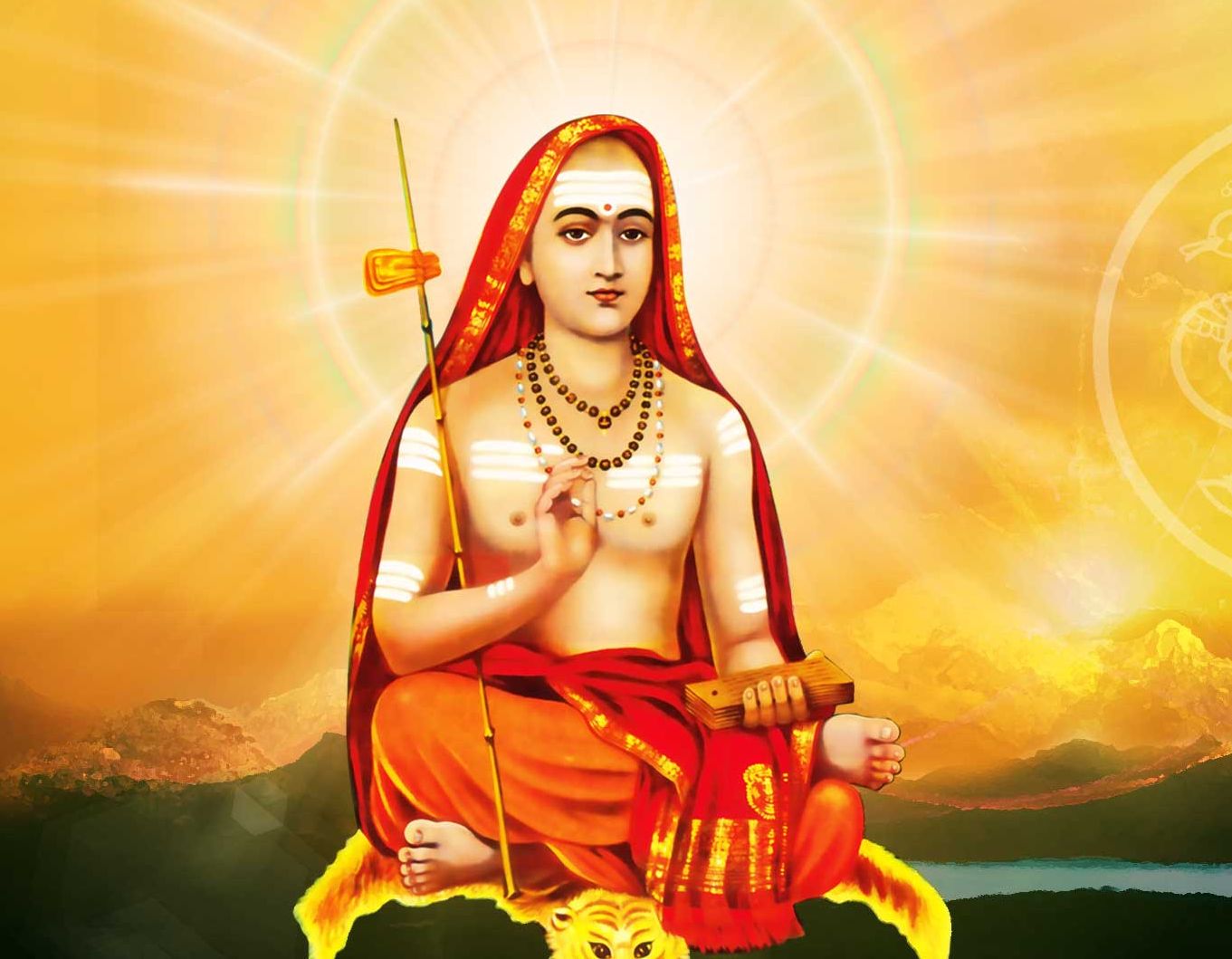
Embracing the Essence: The Profound Identity of 'I am Brahman'
In the profound declaration, "I am Brahman," Adi Shankara encapsulates the essence of non-dualistic Vedanta, inviting us to explore the depths of our own identity. This statement not only asserts the unity of the individual self with the ultimate reality, Brahman, but also challenges us to confront the illusions that separate us from this truth. Understanding this declaration is crucial, as it serves as a gateway to self-realization and liberation from the confines of ego and duality.
To grasp the significance of Shankara's assertion, we must delve into the layers of meaning embedded within it. The phrase "I am Brahman" transcends mere intellectual comprehension; it beckons us toward a transformative experience of recognizing our true nature. In a world often dominated by fragmentation and disconnection, this teaching offers a radical invitation to reclaim our inherent wholeness and interconnectedness with all existence.
The image / the metaphor
The statement "I am Brahman" employs a powerful metaphor that evokes a sense of unity and completeness. The verb "am" signifies a state of being that transcends the transient nature of the physical world, suggesting an eternal essence that is unchanging and absolute. The imagery of Brahman, often described as the infinite, the source of all creation, and the ultimate reality, serves to remind us that our true identity is not confined to our individual experiences or societal roles.
Diving deeper into this metaphor, we find that the phrase invites us to dissolve the boundaries of selfhood that we often cling to. In recognizing ourselves as Brahman, we are called to embrace the vastness of existence, shedding the limitations imposed by our conditioned minds. This realization can be likened to the ocean recognizing itself in each wave; while the waves appear distinct, they are fundamentally one with the ocean itself. Thus, the metaphor serves as a reminder that our individuality is a mere expression of a greater, unified reality.
In the speaker's tradition
Adi Shankara's teachings are rooted in the rich philosophical tradition of Vedanta, which emphasizes the non-dual nature of reality. Central to this tradition is the concept of *dharma*, or the moral and ethical duties that guide our actions in the world, which must be understood in light of our ultimate identity as Brahman. This understanding fosters a sense of *kenosis*, or self-emptying, allowing us to transcend the ego and align our lives with the greater cosmic order. The realization of our identity as Brahman leads to a profound sense of *bhakti*, or devotion, as we recognize the divine presence in all beings.
In the *Upanishads*, which are foundational texts for Vedanta, the idea of "Tat Tvam Asi" (That Thou Art) echoes the sentiment of Shankara's declaration. This phrase encapsulates the essence of self-realization, affirming that the individual self (Atman) is not separate from the universal consciousness (Brahman). Such teachings encourage seekers to engage in practices that cultivate awareness and insight, ultimately leading to the realization of their true nature.
Living the teaching
Consider a modern scenario where the teaching of "I am Brahman" can be applied: a person grappling with feelings of inadequacy in their professional life. In moments of self-doubt, they might remind themselves of their intrinsic worth, rooted not in external achievements but in their fundamental nature as Brahman. This recognition can transform their approach to work, shifting from a mindset of competition and comparison to one of collaboration and creativity, fostering a sense of peace and fulfillment.
In relationships, this teaching can manifest as a deepened understanding of connection. When faced with conflict, one might reflect on the shared essence of Brahman within themselves and the other person. This perspective encourages compassion and empathy, allowing for a more harmonious resolution. By recognizing that the other is not separate but an expression of the same divine reality, we can navigate challenges with grace and understanding, fostering deeper bonds.
A reflection
As we contemplate the profound declaration of "I am Brahman," we are invited to explore the nature of our own identity. What does it mean for you to embody this truth in your daily life? Consider the ways in which you might be holding onto limiting beliefs or identities that obscure your understanding of your true self. In this reflection, allow the question to guide you toward a deeper awareness of your interconnectedness with all that is.






Join the BrightStar Community
Stay connected with daily inspiration, event announcements, and community wisdom