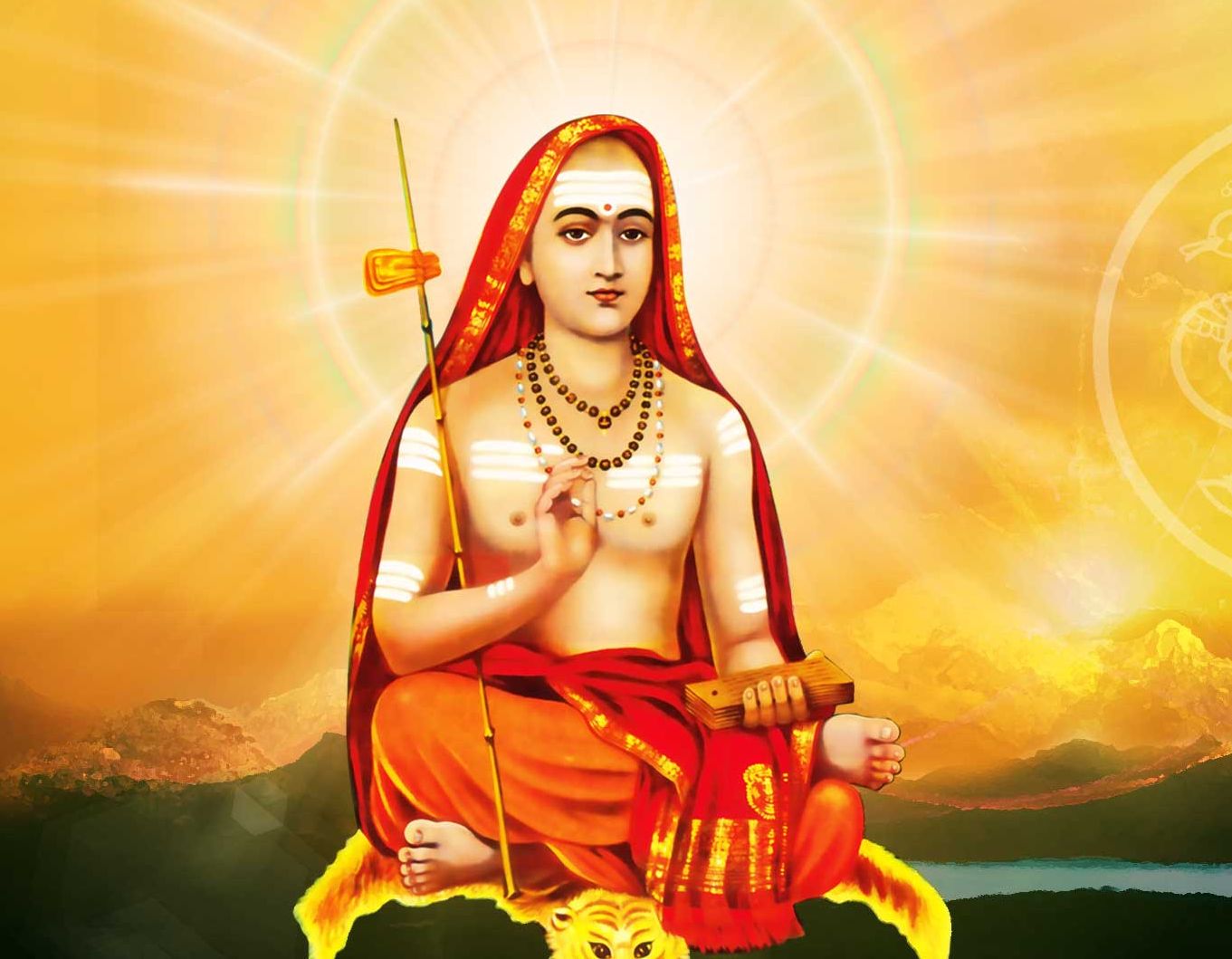
The True Treasure: Unveiling the Wealth of Self-Knowledge
Adi Shankara's assertion that "there is no greater wealth than self-knowledge" invites us to reconsider our understanding of wealth itself. In a world often obsessed with material accumulation, this profound statement challenges us to look inward, suggesting that the most valuable asset we can possess is a deep understanding of our own nature. This self-knowledge is not merely an intellectual exercise; it is a transformative journey that shapes our perceptions, relationships, and ultimately, our experience of life.
To grasp the significance of Shankara's words, we must recognize that self-knowledge transcends the superficial layers of identity and ego. It calls us to explore the depths of our being, to confront our fears, desires, and motivations. This journey is not always comfortable, yet it is essential for authentic living. By cultivating self-awareness, we align ourselves with our true essence, leading to a life that is rich in meaning and purpose, far beyond the fleeting pleasures of material wealth.
The image / the metaphor
The imagery in Shankara's quote evokes a sense of treasure, suggesting that self-knowledge is akin to a hidden gem waiting to be unearthed. The term "wealth" typically conjures images of gold, silver, and possessions, yet here it is redefined to encompass the richness of inner understanding. The verbs chosen—"there is no greater"—imply a hierarchy of values, elevating self-knowledge above all other forms of wealth. This metaphor invites us to embark on a quest, not for external riches, but for the profound insights that lie within.
Diving deeper into the metaphor, we can see that self-knowledge is not merely an accumulation of facts about oneself; it is a transformative process that reveals the interconnectedness of all existence. Just as a treasure hunter must sift through layers of earth to find the precious stone, we too must navigate through the layers of our conditioning, beliefs, and fears to uncover the essence of who we truly are. This journey requires courage and commitment, yet the rewards are immeasurable, leading to a life that reflects our authentic self.
In the speaker's tradition
Adi Shankara, a pivotal figure in the Vedanta tradition, emphasizes the importance of self-knowledge as a means to liberation (moksha). Within this framework, self-knowledge is intricately linked to concepts such as prajna (wisdom) and dharma (righteousness). The pursuit of self-knowledge aligns with the idea of kenosis, or self-emptying, where one relinquishes the false self to embrace the true self. This journey is not merely personal; it is a path that connects us to the universal consciousness, reminding us that our individual existence is part of a larger tapestry.
In the *Vivekachudamani*, Shankara elaborates on the distinction between the self (Atman) and the non-self (Anatman), guiding seekers to discern the eternal truth that lies beyond the transient nature of the material world. This text serves as a roadmap for those seeking to navigate the complexities of existence, ultimately leading to the realization that true wealth is found in the understanding of one's own divine nature. The teachings of Shankara resonate with the essence of Advaita Vedanta, which posits that the realization of the self as non-different from the absolute reality (Brahman) is the ultimate goal of life.
Living the teaching
Consider a modern scenario where an individual finds themselves caught in the relentless pursuit of career success, often equating their self-worth with their professional achievements. In this context, Shankara's teaching on self-knowledge becomes a guiding light. By taking time for introspection and self-reflection, this individual can begin to understand the motivations driving their ambitions and recognize the emptiness that often accompanies external validation. This journey inward allows them to redefine success, shifting from a focus on external accolades to a deeper understanding of their values and purpose.
In relationships, the teaching of self-knowledge can manifest in profound ways. Imagine a couple facing recurring conflicts, often rooted in misunderstandings and unmet expectations. By applying Shankara's wisdom, each partner can engage in self-inquiry, exploring their own triggers and emotional responses. This practice of self-awareness fosters empathy and compassion, allowing them to communicate more authentically and navigate their differences with greater understanding. In this way, self-knowledge not only enriches individual lives but also strengthens the bonds we share with others.
A reflection
As we contemplate Adi Shankara's assertion that "there is no greater wealth than self-knowledge," we are invited to reflect on our own lives. What does self-knowledge mean to you, and how does it manifest in your daily experiences? In a world that often prioritizes external achievements, how can you cultivate a deeper understanding of your true self? This inquiry may lead to transformative insights, guiding you toward a life that is not only rich in meaning but also aligned with your authentic essence.







Join the BrightStar Community
Stay connected with daily inspiration, event announcements, and community wisdom