Finding Refuge in the Self Amidst Turmoil
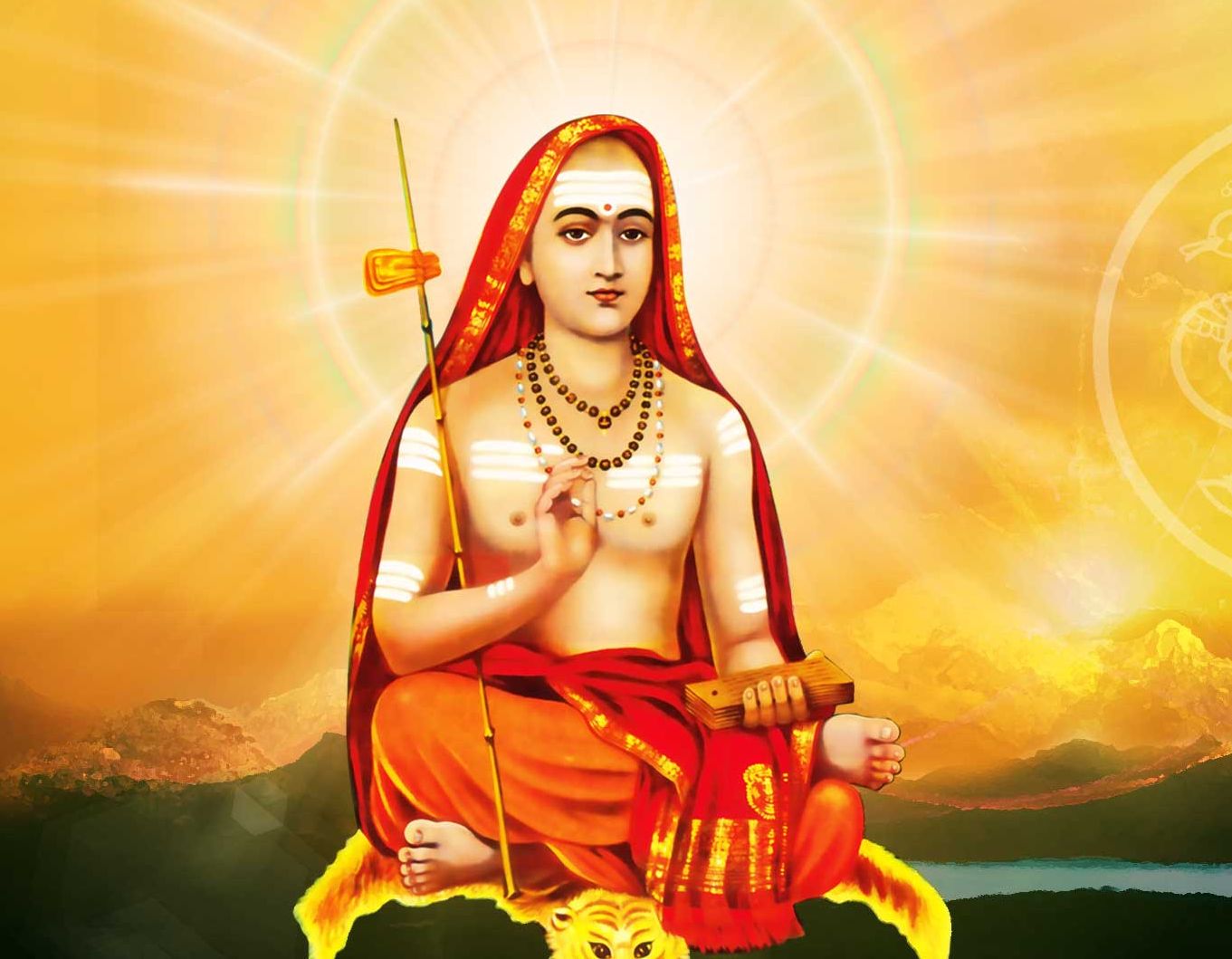
The quote by Adi Shankara, "The world's troubles cannot touch one who is established in the Self," invites us to consider the profound steadiness that arises from a deep understanding of our true nature. In a world rife with chaos and uncertainty, this assertion speaks to the heart of spiritual resilience. It suggests that when we anchor ourselves in the essence of who we are, we become impervious to the external disturbances that often lead to suffering. This matters deeply in our contemporary lives, where the noise of the world can easily drown out our inner peace.
To be "established in the Self" implies a state of awareness that transcends the ephemeral nature of worldly troubles. It is a call to recognize that our true identity is not defined by external circumstances, but rather by an unchanging essence that resides within. This understanding is not merely theoretical; it is a lived experience that can transform how we navigate life's inevitable challenges. As we explore this quote, we will delve into the imagery it evokes, its roots in Vedantic philosophy, and its practical applications in our daily lives.
The image / the metaphor
The imagery in Shankara's quote evokes a sense of profound inner strength and stability. The phrase "established in the Self" conjures the image of a deep-rooted tree, unyielding against the winds of adversity. The choice of the verb "touch" suggests a delicate interaction, implying that while troubles may arise, they do not penetrate the core of our being. This metaphor invites us to envision a sanctuary within ourselves, a place where we can retreat and find solace, regardless of the storms that rage outside.
In the speaker's tradition
Adi Shankara's teachings are deeply rooted in the Vedantic tradition, which emphasizes the importance of self-realization and the understanding of one's true nature. Central to this philosophy is the concept of *Brahman*, the ultimate reality, and *Atman*, the individual self. When one recognizes the unity of Atman and Brahman, they attain a state of liberation (*moksha*) that frees them from the cycles of suffering and rebirth. This liberation is not merely an escape from the world but a profound realization of one's interconnectedness with all existence.
In the *Vivekachudamani*, Shankara elaborates on the nature of the Self and the importance of discernment (*viveka*) in distinguishing between the eternal and the transient. He emphasizes that true wisdom arises from understanding the impermanence of worldly phenomena and the permanence of the Self. This perspective aligns with the Buddhist concept of *sunyata*, or emptiness, which teaches that clinging to the transient leads to suffering. Both traditions encourage a letting go of attachments, guiding us toward a deeper realization of our true nature.
Living the teaching
Consider a modern scenario where this teaching can be applied: a professional facing a significant setback at work. The pressures of deadlines, expectations, and the fear of failure can create a whirlwind of anxiety and self-doubt. However, if this individual is established in the Self, they can approach the situation with a sense of detachment, recognizing that their worth is not defined by their job performance. Instead of succumbing to despair, they can view the setback as an opportunity for growth, allowing their inner stability to guide their response.
In the realm of relationships, this teaching can manifest during conflicts with loved ones. When tensions arise, it is easy to become reactive, allowing emotions to dictate our responses. However, if one is grounded in the understanding of the Self, they can approach the situation with compassion and clarity. By recognizing that the essence of both themselves and their loved ones is unchanging, they can engage in constructive dialogue rather than destructive arguments. This practice of self-awareness fosters deeper connections and nurtures a sense of peace, even amidst disagreement.
A reflection
As we contemplate Shankara's profound insight, we are invited to reflect on our own experiences of turmoil and steadiness. In moments of distress, how often do we remember to return to the sanctuary of the Self? What practices can we cultivate to deepen our connection to this inner refuge? By exploring these questions, we can begin to embody the wisdom of being established in the Self, transforming our relationship with the world around us.





Join the BrightStar Community
Stay connected with daily inspiration, event announcements, and community wisdom