The Illumination of Self: A Journey Beyond Ignorance
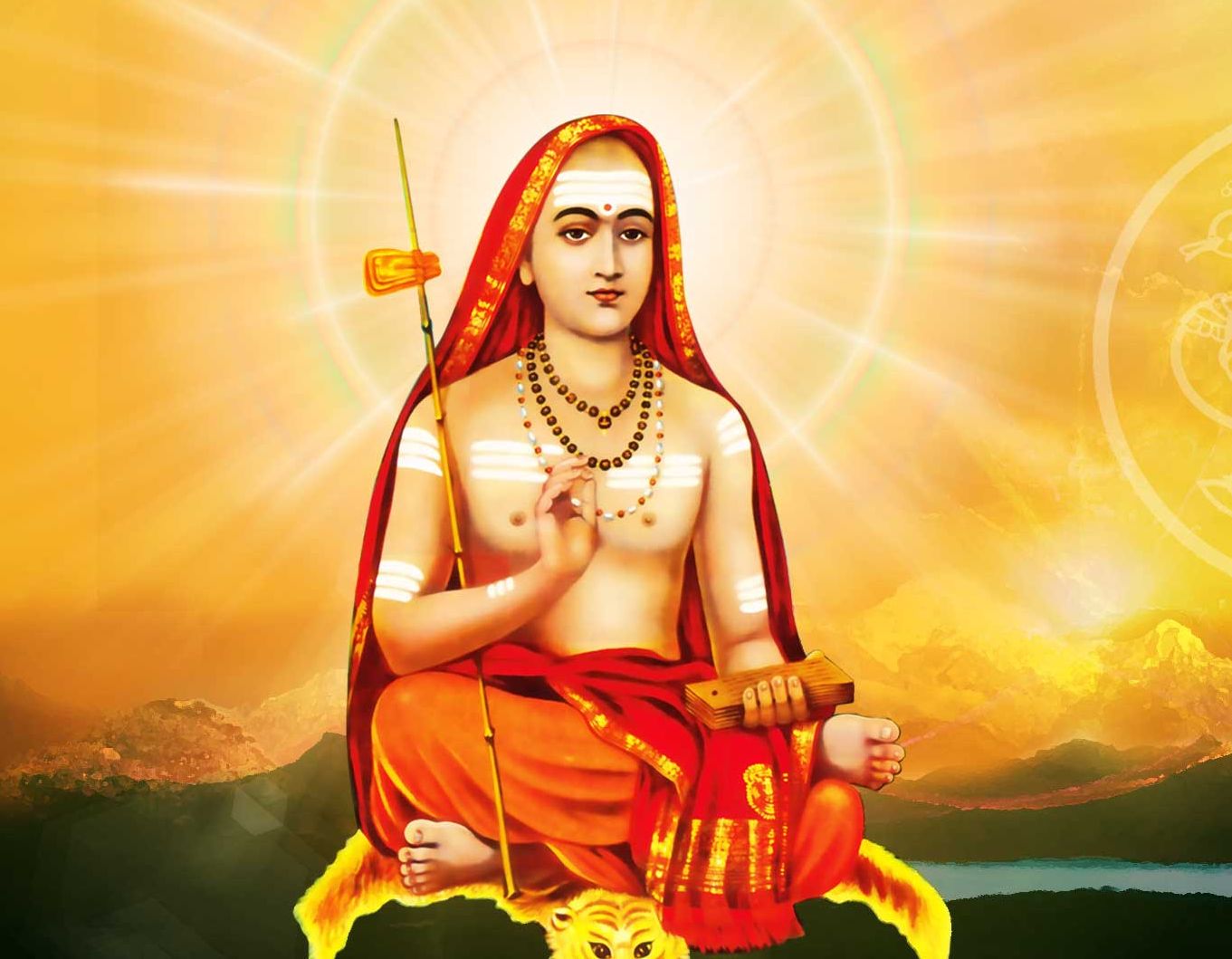
In the profound words of Adi Shankara, "Self-realization is the cure for ignorance." This statement encapsulates a fundamental truth within the Vedantic tradition, emphasizing that the path to true understanding lies within oneself. Ignorance, in this context, is not merely a lack of knowledge but a deeper, existential misunderstanding of our own nature. Recognizing our true self is not just an intellectual exercise; it is a transformative journey that can lead to liberation and enlightenment.
To grasp the significance of this quote, we must first acknowledge the pervasive nature of ignorance in our lives. It manifests in our attachments, fears, and misconceptions about who we are and what we seek. Shankara's assertion invites us to embark on a quest for self-realization, suggesting that the remedy for our existential dilemmas lies not in external pursuits but in an inward exploration of our essence. This journey is both daunting and liberating, as it challenges us to confront the illusions we have constructed around our identities.
The image / the metaphor
At the heart of Shankara's quote is a vivid metaphor that juxtaposes self-realization with the concept of ignorance. The term "cure" evokes the image of healing, suggesting that ignorance is akin to a disease that afflicts the mind and spirit. Just as a physical ailment requires diagnosis and treatment, so too does ignorance demand an inward examination and a commitment to uncovering the truth of our being. The act of self-realization is portrayed as a transformative process, akin to shedding layers of falsehood to reveal the radiant essence that lies beneath.
Diving deeper into this metaphor, we can see that self-realization is not a destination but a continuous journey. It implies an ongoing engagement with our inner selves, where each revelation brings us closer to understanding our true nature. The imagery of light and darkness is also implicit here; self-realization illuminates the shadows of ignorance, allowing us to see clearly and navigate the complexities of existence. This illumination is not merely intellectual but deeply experiential, as it transforms our perception of reality and our place within it.
In the speaker's tradition
Adi Shankara's teachings are rooted in the Advaita Vedanta tradition, which emphasizes non-duality and the interconnectedness of all existence. Within this framework, ignorance (avidya) is seen as the primary obstacle to realizing our true nature, which is identified as Brahman, the ultimate reality. Concepts such as dharma (righteousness) and prajna (wisdom) are integral to this journey, guiding practitioners toward a life aligned with truth and understanding. The process of kenosis, or self-emptying, is also relevant here, as it encourages the relinquishing of ego and false identities to make space for the realization of the self.
In the text "Atma Bodha," where this quote originates, Shankara elucidates the nature of the self and the importance of discernment in overcoming ignorance. He draws upon the metaphor of the ocean and waves, illustrating how individual identities are like waves arising from the ocean of consciousness. Just as the waves are not separate from the ocean, our individual selves are not separate from the universal self. This understanding fosters a sense of unity and interconnectedness, which is essential for overcoming the ignorance that binds us.
Living the teaching
Consider a modern scenario where this teaching resonates: a person grappling with feelings of inadequacy in their career. They may chase external validation, believing that success will bring them fulfillment. However, through the lens of Shankara's wisdom, they might realize that their sense of self-worth is rooted in ignorance. By engaging in self-reflection and seeking to understand their true nature, they can begin to shift their focus from external achievements to inner fulfillment, ultimately discovering that their worth is inherent and not contingent upon societal measures.
In relationships, this teaching can manifest in moments of conflict or misunderstanding. When we perceive others through the lens of ignorance, we may project our fears and insecurities onto them, leading to discord. However, by practicing self-realization, we can cultivate empathy and compassion, recognizing that our struggles are shared. This shift in perspective allows for deeper connections and a more profound understanding of one another, fostering a sense of unity that transcends individual differences.
A reflection
As we contemplate Shankara's assertion that "self-realization is the cure for ignorance," we are invited to reflect on our own lives. What aspects of our identity are rooted in ignorance, and how might we begin to peel back the layers to reveal our true selves? In this inquiry, we can ask ourselves: What practices or contemplative exercises can support my journey toward self-realization, and how might they transform my understanding of myself and my relationships with others?






Join the BrightStar Community
Stay connected with daily inspiration, event announcements, and community wisdom