The Unveiling of Liberation: A Journey Within
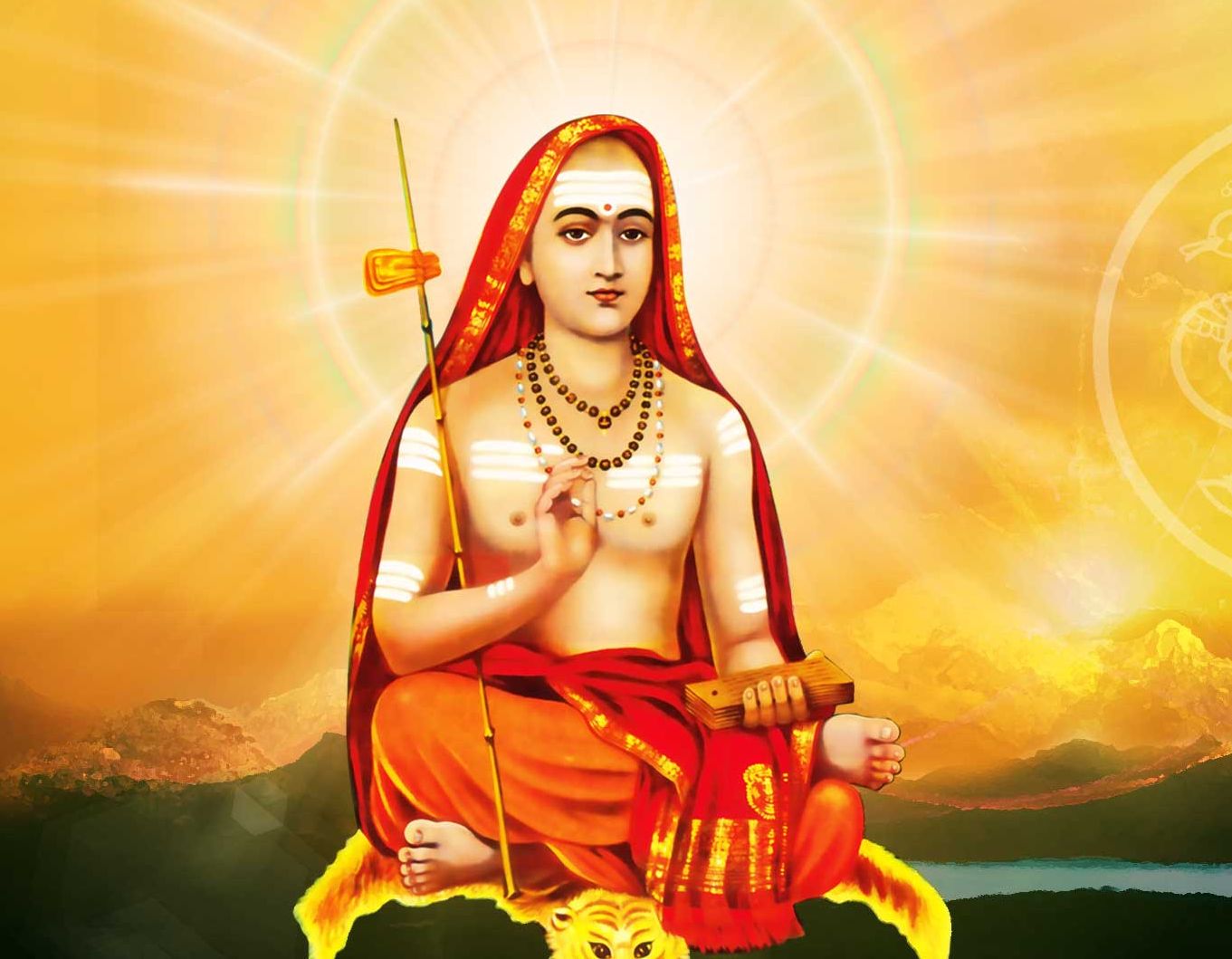
Adi Shankara's assertion that "Liberation is not gained — it is recognized" invites us to reconsider our understanding of freedom and enlightenment. This profound statement suggests that liberation is not a distant goal to be achieved through external efforts, but rather an intrinsic truth waiting to be unveiled within ourselves. The stakes are high; in a world often driven by the pursuit of material success and external validation, recognizing our inherent freedom can lead to a transformative shift in consciousness.
To delve deeper, we must acknowledge that this recognition is not merely an intellectual exercise but a profound experiential awakening. Liberation, in this context, is akin to shedding layers of illusion that obscure our true nature. It calls for a deep introspection and a willingness to confront the conditioned beliefs and attachments that bind us. By recognizing liberation as an inherent state of being, we open ourselves to a more authentic existence, one that is rooted in the essence of who we truly are.
The image / the metaphor
The imagery in Shankara's quote evokes a sense of unveiling, as if liberation is a hidden treasure buried beneath the surface of our everyday lives. The verb "recognized" suggests an active engagement, a conscious acknowledgment of something that has always been present yet obscured. This recognition is not about acquiring something new; rather, it is about peeling away the layers of ignorance that cloud our perception. It is a gentle reminder that the essence of liberation is already within us, waiting to be acknowledged.
In the speaker's tradition
Within the Vedantic tradition, Adi Shankara's teachings emphasize the concept of non-duality (Advaita), which posits that the individual self (Atman) is fundamentally one with the universal consciousness (Brahman). This recognition of oneness is central to the experience of liberation. The journey toward this realization often involves the practice of self-inquiry (atma-vichara) and the cultivation of discernment (viveka) to differentiate between the transient and the eternal. Concepts such as dharma and prajna further enrich this understanding, guiding practitioners toward a life aligned with their true nature.
In Shankara's text, the *Aparokshanubhuti*, he articulates the path to this recognition through various stages of understanding. He emphasizes that liberation is not a reward for good deeds or adherence to rituals, but a direct realization of our true self. This aligns with the teachings of other Vedantic texts, such as the *Upanishads*, which also highlight the importance of direct experience over mere intellectual knowledge. The essence of liberation, therefore, is rooted in the profound understanding of our interconnectedness with the cosmos.
Living the teaching
Consider a modern scenario where an individual feels trapped in the relentless pursuit of success, constantly striving for external validation through career achievements or social status. In this context, the teaching of recognizing liberation becomes particularly poignant. Instead of viewing success as a means to happiness, one might begin to explore the idea that true fulfillment lies in recognizing their inherent worth, independent of external accomplishments. This shift in perspective can lead to a more grounded and peaceful existence, where the individual learns to appreciate the present moment rather than chase after elusive goals.
In relationships, this teaching can manifest as a profound shift in how we perceive connection and love. Often, we may seek validation or fulfillment from others, believing that our happiness is contingent upon their actions or approval. However, recognizing liberation invites us to understand that love and connection stem from our own sense of wholeness. By cultivating self-awareness and self-acceptance, we can engage in relationships from a place of abundance rather than lack, fostering deeper and more authentic connections with others.
A reflection
As we contemplate Adi Shankara's profound insight, we are invited to reflect on our own lives: What layers of illusion are obscuring our recognition of inherent freedom? In what ways do we seek liberation outside ourselves, rather than acknowledging the truth that lies within? This contemplation can serve as a powerful catalyst for transformation, encouraging us to embark on a journey of self-discovery and awakening to the liberation that is already ours.





Join the BrightStar Community
Stay connected with daily inspiration, event announcements, and community wisdom