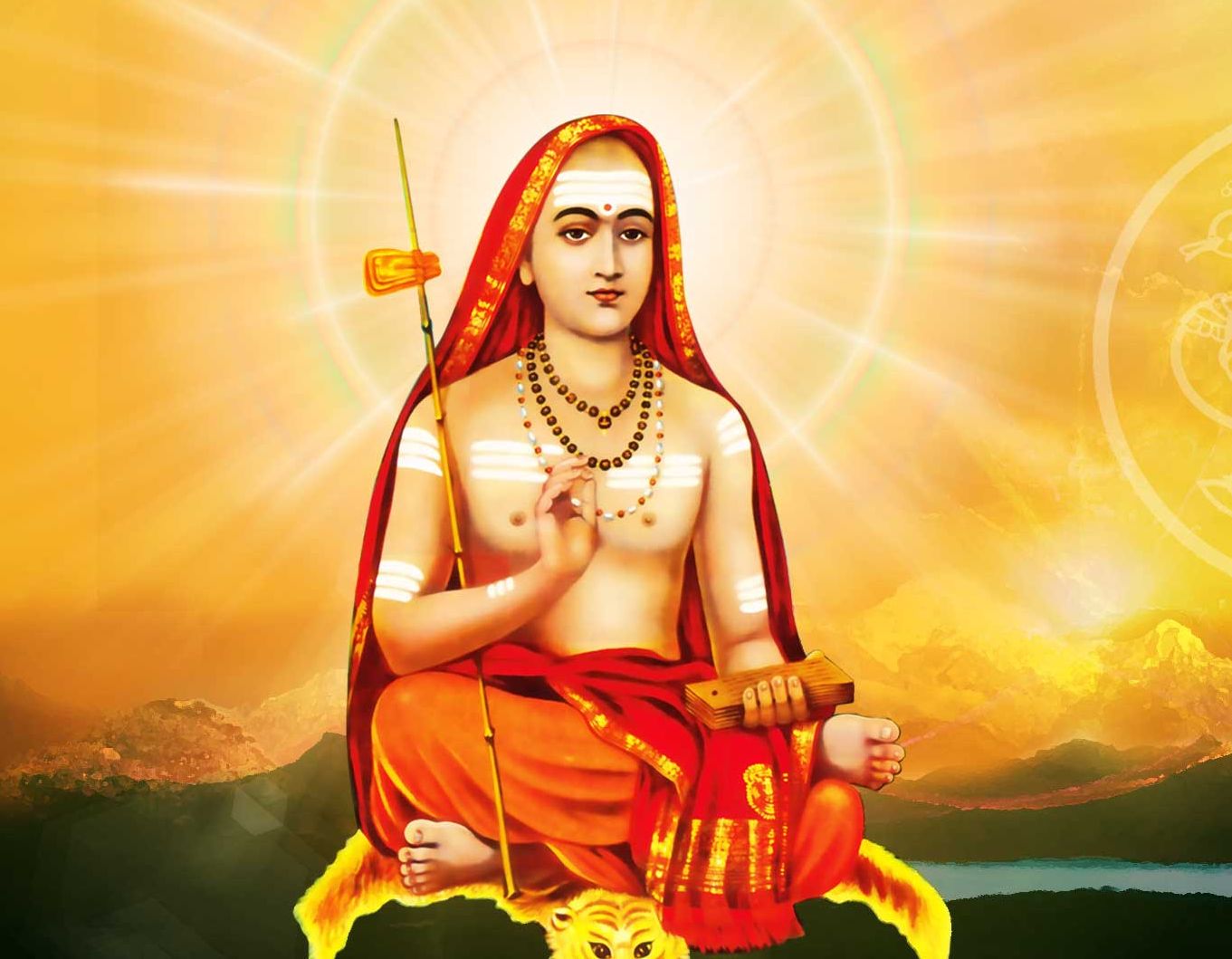
The Wholeness of Being: Embracing Completion in the Teachings of Adi Shankara
In the profound assertion, "He has nothing left to attain," Adi Shankara invites us to contemplate the essence of spiritual fulfillment. This statement resonates deeply within the Vedantic tradition, suggesting that true enlightenment is not a matter of acquiring more but rather recognizing the completeness that already exists within us. The stakes of this realization are high; it challenges our incessant striving and the societal norms that equate worth with achievement. Understanding this quote can lead us to a more profound sense of peace and acceptance in our lives.
To delve deeper, we must consider what it means to have "nothing left to attain." This phrase encapsulates a radical shift in perspective, urging us to move away from the relentless pursuit of external validation and material success. Instead, it beckons us to turn inward, to explore the fullness of our being that is often obscured by desires and ambitions. This journey toward recognizing our inherent wholeness is not merely philosophical; it is a transformative process that can lead to a more authentic and meaningful existence.
The image / the metaphor
The imagery in Shankara's quote evokes a sense of liberation and completion. The verbs "has" and "attain" suggest a state of being rather than doing, emphasizing that fulfillment is not something to be chased but rather something to be realized. This notion of having "nothing left to attain" paints a picture of a person who stands in the fullness of their existence, free from the chains of desire and expectation. It is a powerful metaphor for the spiritual journey, where the destination is not a place but a state of consciousness.
In the speaker's tradition
Adi Shankara's teachings are rooted in the Vedantic tradition, which emphasizes the concept of non-duality (Advaita). In this framework, the idea of "nothing left to attain" aligns with the understanding of *Brahman*—the ultimate reality that is complete and whole. This perspective encourages practitioners to recognize that their true nature is not separate from this universal wholeness. Concepts such as *kenosis* (self-emptying) and *sunyata* (emptiness) resonate here, as they highlight the importance of letting go of the ego and the illusion of separateness to experience the fullness of existence.
In the *Vivekachudamani*, Shankara elaborates on the nature of the self and the importance of discerning the eternal from the transient. He emphasizes that the realization of one's true self leads to liberation (*moksha*), a state where the individual recognizes their inherent completeness. This text serves as a guide for seekers, illustrating that the journey toward understanding our wholeness is both a personal and universal endeavor, transcending the limitations of the ego.
Living the teaching
Consider a modern scenario where an individual is caught in the relentless pursuit of career advancement. This person may find themselves working long hours, sacrificing personal relationships and well-being in the hope of achieving a higher position or greater financial security. However, as they reflect on Shankara's teaching, they may begin to question whether their worth is truly tied to their job title or salary. This realization can lead to a profound shift, allowing them to embrace their current state of being and recognize the value of their existence beyond external achievements.
In a different context, think about a relationship that is strained due to unmet expectations. One partner may feel that they need to attain a certain level of emotional support or validation from the other. By applying the wisdom of Shankara, they can learn to appreciate the love and connection that already exists, rather than focusing on what is lacking. This shift can foster deeper intimacy and understanding, as both individuals come to recognize that their relationship is already complete in its essence, requiring only their awareness and acceptance.
A reflection
As we contemplate the depth of Shankara's assertion, we are invited to explore our own lives through the lens of completion. What would it mean for you to recognize that you have nothing left to attain? This question encourages a profound inquiry into our motivations and desires, prompting us to consider how much of our striving is rooted in a sense of lack. In embracing the fullness of our being, we may find a path to greater peace and fulfillment, allowing us to live more authentically in the present moment.





Join the BrightStar Community
Stay connected with daily inspiration, event announcements, and community wisdom