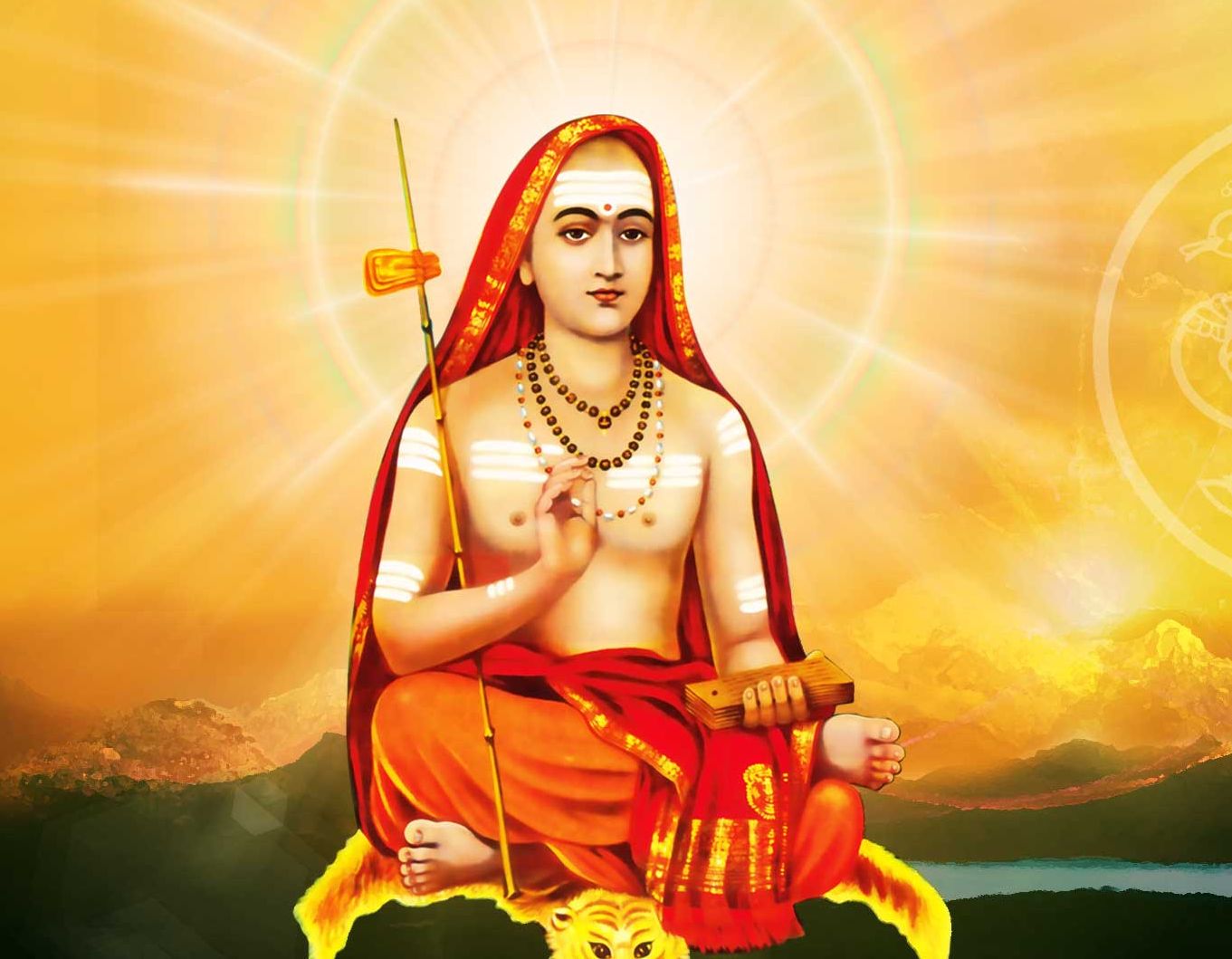
The Path to Liberation: Experiencing the Self
Adi Shankara's assertion that "Direct experience of the Self is the only liberation" invites us to consider the profound implications of self-realization. In a world often dominated by external pursuits and distractions, this statement serves as a reminder that true freedom lies not in external achievements but in an intimate understanding of our own essence. The stakes are high; without this direct experience, we may remain trapped in cycles of desire and suffering, perpetually seeking fulfillment in transient things.
To deepen our understanding, we must recognize that Shankara's words challenge us to move beyond intellectual comprehension and into the realm of lived experience. Liberation, or moksha, is not merely a philosophical concept but a transformative state of being that can only be accessed through personal insight. This journey toward self-discovery requires courage and commitment, as it often involves confronting the layers of conditioning and illusion that obscure our true nature.
The image / the metaphor
At the heart of Shankara's quote lies a vivid metaphor that emphasizes the immediacy and intimacy of direct experience. The term "direct" suggests an unmediated encounter with the Self, free from the filters of thought, belief, or external validation. This experience is akin to a sudden awakening, where the veils of ignorance are lifted, revealing the underlying unity of existence. The use of the word "liberation" evokes a sense of release, as if one is shedding the burdens of identity and attachment that bind us to a limited understanding of who we are.
Diving deeper into this metaphor, we can see that the "Self" referred to by Shankara is not merely an individual ego but the universal consciousness that connects all beings. This understanding aligns with the Vedantic view of non-duality, where the distinction between the individual and the cosmos dissolves. The liberation he speaks of is not a distant goal but an immediate possibility, accessible through the profound realization of our interconnectedness and the illusory nature of separateness.
In the speaker's tradition
Shankara's teachings are deeply rooted in the Vedantic tradition, which emphasizes the importance of self-inquiry and the pursuit of knowledge (jnana) as a means to attain liberation. Concepts such as dharma, the ethical path, and prajna, or wisdom, play crucial roles in this journey. The practice of kenosis, or self-emptying, resonates with Shankara's call to relinquish the false self and embrace the true Self. In this context, liberation is not just an individual achievement but a return to the fundamental truth of existence.
In the Vivekachudamani, Shankara elaborates on the nature of the Self and the obstacles that prevent us from realizing it. He draws parallels between the Self and the sun, which shines brightly yet is often obscured by clouds. This imagery serves to remind us that while the Self is ever-present, our perceptions and attachments can cloud our understanding. The text encourages seekers to engage in self-inquiry and meditation, practices that facilitate the direct experience of the Self and ultimately lead to liberation.
Living the teaching
Consider a modern scenario where an individual feels overwhelmed by the demands of daily life. In this context, Shankara's teaching can serve as a guiding light. By taking a moment to pause and reflect, one might engage in a practice of mindfulness or meditation, allowing for a direct experience of the Self beyond the chaos of external circumstances. This shift in perspective can lead to a profound sense of peace and clarity, illustrating how the direct experience of the Self can liberate us from the burdens of stress and anxiety.
In relationships, this teaching can manifest as a deeper understanding of oneself and others. When conflicts arise, the practice of self-inquiry can help individuals recognize their projections and attachments, allowing for a more compassionate and authentic interaction. By experiencing the interconnectedness of all beings, one can approach relationships with a sense of openness and love, fostering a space where liberation is not just a personal journey but a shared experience.
A reflection
As we contemplate Shankara's profound assertion, we are invited to reflect on our own experiences of the Self. What practices or moments have allowed you to glimpse your true nature? In the stillness of your heart, consider how you might cultivate a deeper connection to this essence, and how that connection could transform your understanding of liberation.






Join the BrightStar Community
Stay connected with daily inspiration, event announcements, and community wisdom