The Chains of Ignorance: A Path to Liberation
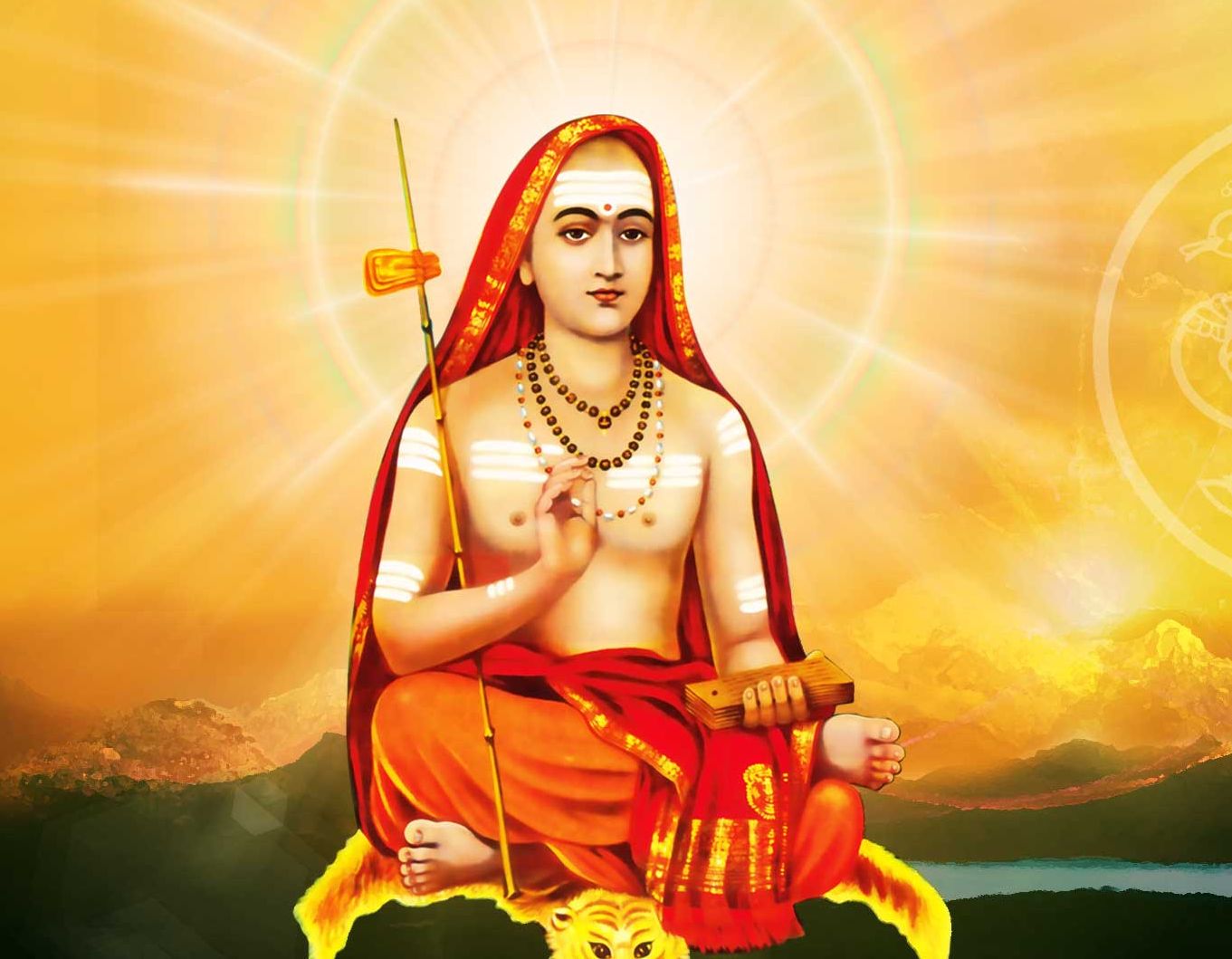
Adi Shankara's assertion that "as long as the man is held by ignorance, just so long he is in bondage" speaks to the profound connection between knowledge and freedom. In this statement, Shankara encapsulates a fundamental truth of the human experience: ignorance serves as a shackle, binding us to a limited understanding of ourselves and the world around us. This bondage is not merely a philosophical concept but a lived reality that affects our choices, relationships, and spiritual journeys. Recognizing this dynamic is crucial for anyone seeking to transcend their limitations and embrace a fuller existence.
To delve deeper into this idea, we must consider the nature of ignorance itself. It is not simply a lack of knowledge; it is an active force that shapes our perceptions and actions. Ignorance can cloud our judgment, distort our relationships, and lead us into cycles of suffering. By acknowledging the ways in which ignorance binds us, we open the door to the possibility of liberation through knowledge and self-awareness. This journey from ignorance to enlightenment is at the heart of many spiritual traditions, and Shankara's words serve as a clarion call to embark on that transformative path.
The image / the metaphor
The imagery in Shankara's quote evokes a powerful sense of entrapment. The word "bondage" conjures visions of chains and confinement, suggesting that ignorance is not a passive state but an active force that restricts our freedom. The use of "held by ignorance" implies a struggle, as if one is physically restrained by the very lack of understanding that they possess. This metaphor invites us to visualize our own lives and the ways in which ignorance may be holding us back from realizing our true potential.
In the speaker's tradition
Adi Shankara's teachings are deeply rooted in the Vedantic tradition, which emphasizes the pursuit of knowledge (jnana) as a pathway to liberation (moksha). In this context, ignorance (avidya) is seen as the primary obstacle to realizing our true nature, which is often described as pure consciousness or Brahman. The concept of dharma, or righteous living, is intertwined with this pursuit, as it guides individuals toward actions that foster understanding and growth. Shankara's emphasis on knowledge aligns with the Vedantic principle that liberation is not merely an external goal but an internal awakening to our inherent divinity.
In the Vivekachudamani, Shankara elaborates on the distinction between the transient and the eternal, urging seekers to discern the real from the unreal. This text serves as a guide for navigating the complexities of existence, emphasizing that true knowledge leads to the recognition of the self as non-dual and interconnected with all of creation. The journey from ignorance to enlightenment is not just an intellectual exercise; it is a transformative process that reshapes our very being, allowing us to experience the world with clarity and compassion.
Living the teaching
Consider a modern scenario where this teaching resonates: an individual caught in a cycle of negative self-talk and limiting beliefs. This person may feel trapped in a job they dislike, believing they lack the skills or opportunities to pursue their passions. Here, ignorance manifests as a lack of awareness regarding their own potential and the resources available to them. By recognizing this ignorance and seeking knowledge—whether through education, mentorship, or self-reflection—they can begin to dismantle the barriers that confine them, ultimately leading to a more fulfilling life.
In the realm of relationships, the teaching of Shankara can also be profoundly impactful. Imagine a couple struggling with communication, each partner held captive by their own misunderstandings and assumptions. Their ignorance of each other's perspectives creates a rift that seems insurmountable. By engaging in open dialogue and actively seeking to understand one another, they can break free from the bondage of ignorance, fostering a deeper connection built on empathy and awareness. This practice of seeking knowledge in our interactions not only enriches our relationships but also cultivates a sense of shared humanity.
A reflection
As we reflect on Shankara's powerful statement, we are invited to consider the ways in which ignorance may be holding us captive in our own lives. What beliefs or assumptions are we clinging to that prevent us from experiencing our true potential? In what areas of our lives do we feel bound, and how might the pursuit of knowledge and understanding set us free? These contemplative questions encourage us to embark on a journey of self-discovery, illuminating the path toward liberation and deeper connection with ourselves and the world around us.






Join the BrightStar Community
Stay connected with daily inspiration, event announcements, and community wisdom