The Eternal Dance of Consciousness
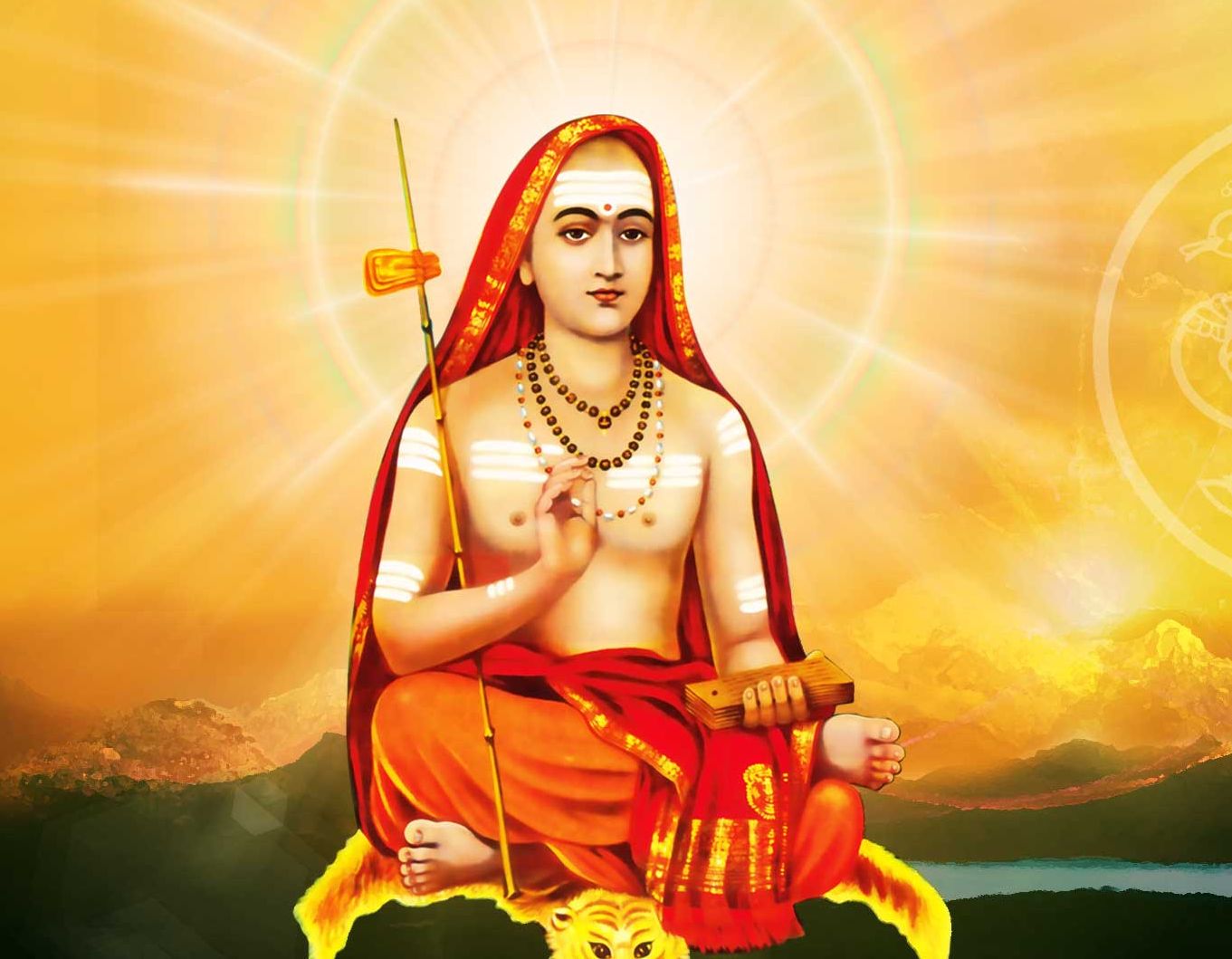
In the profound words of Adi Shankara, "I am not this body, nor is the body mine. I am consciousness, eternal and unchanging." This statement invites us to explore the essence of our being beyond the physical form, urging us to recognize our true nature as consciousness itself. The stakes of this realization are high; understanding this distinction can lead to profound awakening and liberation from the cycles of suffering that often accompany identification with the body and mind.
Shankara's assertion challenges the pervasive belief that we are merely our physical bodies, a notion deeply embedded in societal norms and personal identity. By declaring that he is consciousness, Shankara points to a deeper truth that transcends the temporal and the material. This perspective not only reshapes our understanding of self but also invites us to engage with the world from a place of profound awareness and connection to the eternal. The journey toward this realization is not merely intellectual; it is a transformative process that requires introspection and a willingness to let go of preconceived notions of identity.
The image / the metaphor
At first glance, Shankara's quote presents a stark dichotomy between the body and consciousness. The imagery evokes a sense of detachment, as if the body is a garment that one wears temporarily, while consciousness remains the unchanging essence beneath. The verbs "am" and "is" serve to affirm the reality of consciousness, suggesting a state of being that is constant and unaltered by the fluctuations of the physical world. This distinction between the transient and the eternal is central to understanding the nature of existence.
Diving deeper into the metaphor, we can see that the body represents the ephemeral aspects of life—our thoughts, emotions, and physical sensations—while consciousness embodies the underlying awareness that observes these experiences. This perspective invites us to cultivate a sense of inner stillness, recognizing that our true identity is not tied to the ever-changing circumstances of life. The metaphor of clothing can be particularly poignant; just as we change our clothes, we can learn to shift our identification away from the body and toward the eternal consciousness that resides within.
In the speaker's tradition
Adi Shankara's teachings are rooted in the Vedantic tradition, which emphasizes the distinction between the self (Atman) and the ultimate reality (Brahman). This duality is essential for understanding concepts such as dharma, the moral order of the universe, and prajna, the wisdom that arises from realizing one's true nature. In this context, Shankara's assertion serves as a reminder that our true essence is not bound by the limitations of the physical realm but is instead a manifestation of the divine consciousness that permeates all existence.
In the Vivekachudamani, Shankara elaborates on the nature of reality and the importance of self-inquiry. He encourages seekers to engage in a process of discernment, or viveka, to differentiate between the transient and the eternal. This text serves as a guide for those on the path of self-realization, illustrating how the understanding of consciousness as the true self can lead to liberation (moksha) from the cycles of birth and death. The teachings of Shankara resonate with other spiritual traditions, such as Buddhism's concept of sunyata (emptiness) and Sufism's notion of fana (annihilation of the self), both of which emphasize the impermanence of the material world and the eternal nature of consciousness.
Living the teaching
Consider a modern scenario where this teaching can be applied: a person facing a significant life change, such as losing a job or experiencing a breakup. In such moments, it is easy to become engulfed by the emotional turmoil and to identify solely with the pain of loss. However, by embracing Shankara's insight, one can step back and recognize that these experiences, while challenging, do not define their true essence. Instead, they can cultivate a sense of inner peace by connecting with the eternal consciousness that remains unaffected by external circumstances.
In relationships, this teaching can also illuminate the dynamics of connection and attachment. When conflicts arise, individuals often become entrenched in their identities as partners, parents, or friends, leading to misunderstandings and emotional distress. By remembering that they are, at their core, consciousness experiencing life through these roles, they can approach conflicts with greater compassion and understanding. This shift in perspective allows for deeper connections, as individuals learn to see beyond the surface and recognize the shared essence of consciousness that binds them together.
A reflection
As we contemplate Shankara's profound statement, we are invited to reflect on our own relationship with the body and consciousness. How often do we find ourselves identifying solely with our physical form or the roles we play in life? In what ways can we cultivate a deeper awareness of our eternal nature, allowing it to guide our actions and interactions? This inquiry can serve as a powerful tool for awakening to the truth of who we are, encouraging us to live more fully in alignment with our true essence.






Join the BrightStar Community
Stay connected with daily inspiration, event announcements, and community wisdom